Bamboo is replaced after every major earthquake. Thatch every seven years. The ikat cloth, properly stored, crosses three generations intact. In the Sasak material economy, the textile is the only architectural element that achieves the European preservationist's dream of unbroken material continuity, and is, on inspection, a sharp inversion of how Western architectural history has thought about the durable and the ephemeral.
OUTLIVING THE BUILDING
This Sasak tradition effectively challenges the conventions of European preservation orthodoxy. Alois Riegl's Der moderne Denkmalkultus (1903) and Ruskin's Stones of Venice (1853) both insist that the modern monument remain materially the same: original stones, original mortar, original timber. The Sasak case suggests, by contrast, that European preservation has been trying to preserve the wrong material. The matter of the building is, in a tropical-seismic geography, simply not what survives. What survives is the pattern—the orientation, the proportions, the geometry, the ritual sequence—and the pattern is most reliably preserved in the cloth. The ikat motif, the Textile/Craft file confirms, is "echoed in eave patterns, ventilation screens, carved door surrounds." The building looks like the cloth, or the cloth looks like the building; either way, when the building goes, the cloth carries the pattern forward. The Sasak textile is, in many cases, the only continuous material record of Sasak architecture.
“Created by women and used by both sexes, textiles in many Indonesian societies are both literally and figuratively interwoven with an individual’s life from earliest infancy to the wrapping of the funerary shroud.”
THE BALE TANI CALENDAR
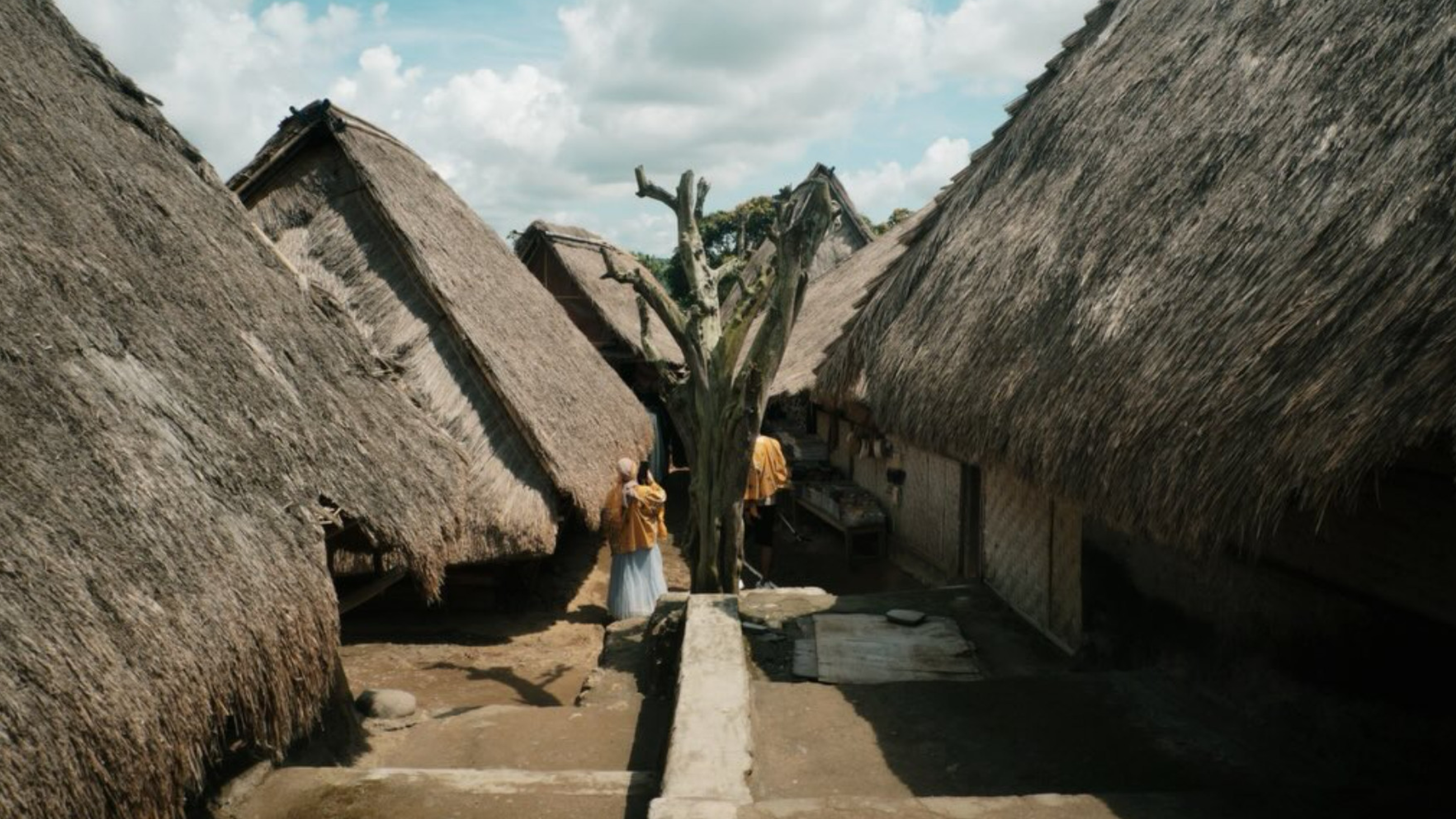
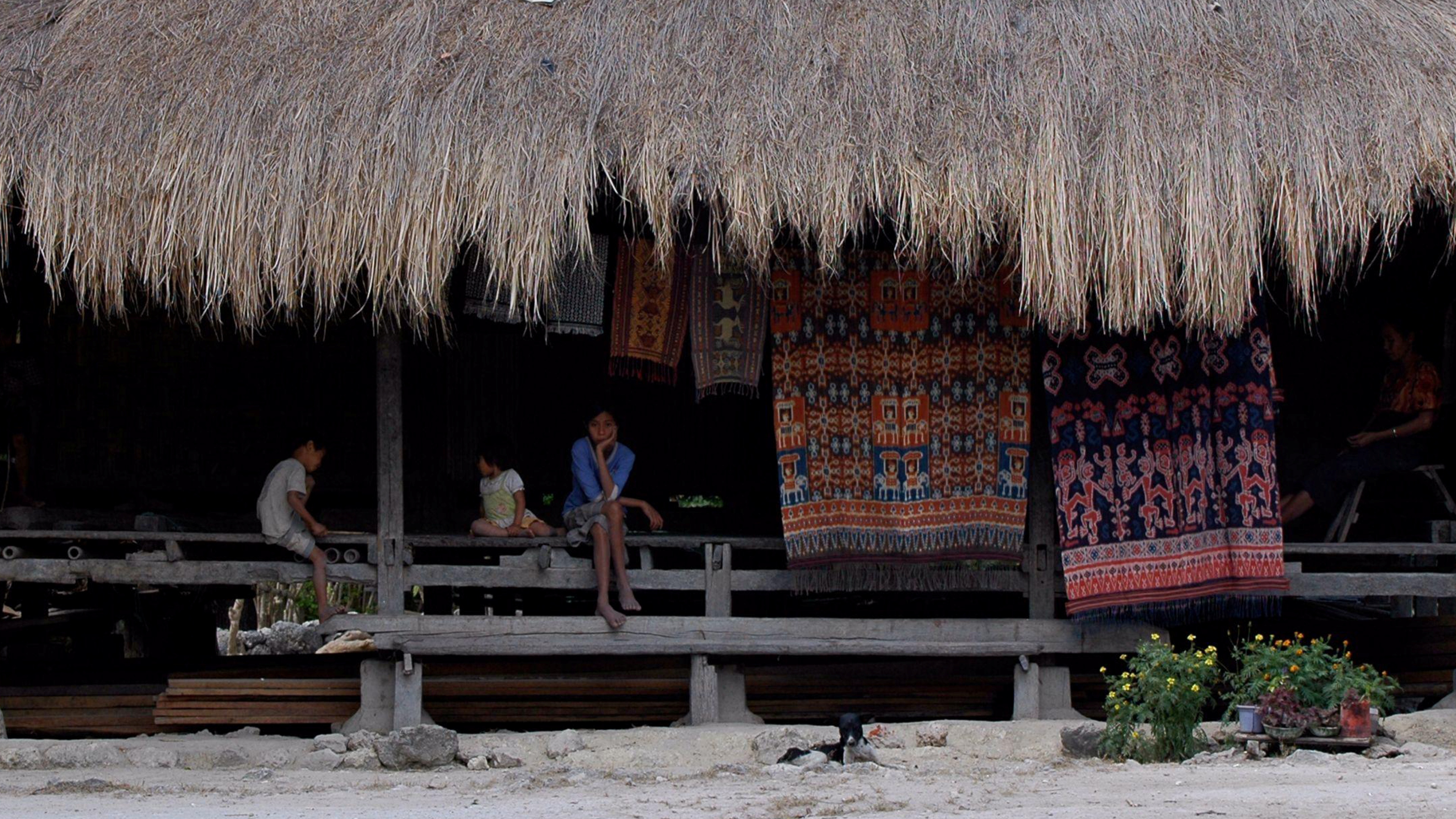
The Sasak Bale Tani is a building of cycles. The roof — bamboo structure, tree-branch ties, alang-alang thatch — has a lifespan of "~5–10 years" before requiring replacement. The bedek walls of split woven bamboo are "easily repairable." The floor of mixed earth, rice husk, and buffalo dung is polished and re-polished. The wooden posts are replaced when joinery fails or when a major earthquake compromises the frame. The Tampah Hills Climate Research file notes that the island sits in an active subduction zone; the 2018 Lombok earthquake, magnitude 6.9, damaged approximately eighty thousand structures. Annual rainfall of 1,500mm and humidity at 77–79% complete the case: no building permanence is realistic. Lombok architecture has, over four centuries, evolved as a living calendar rather than as a monument. The pattern persists; the matter does not.
THE DURABILITY OF TEXTILES
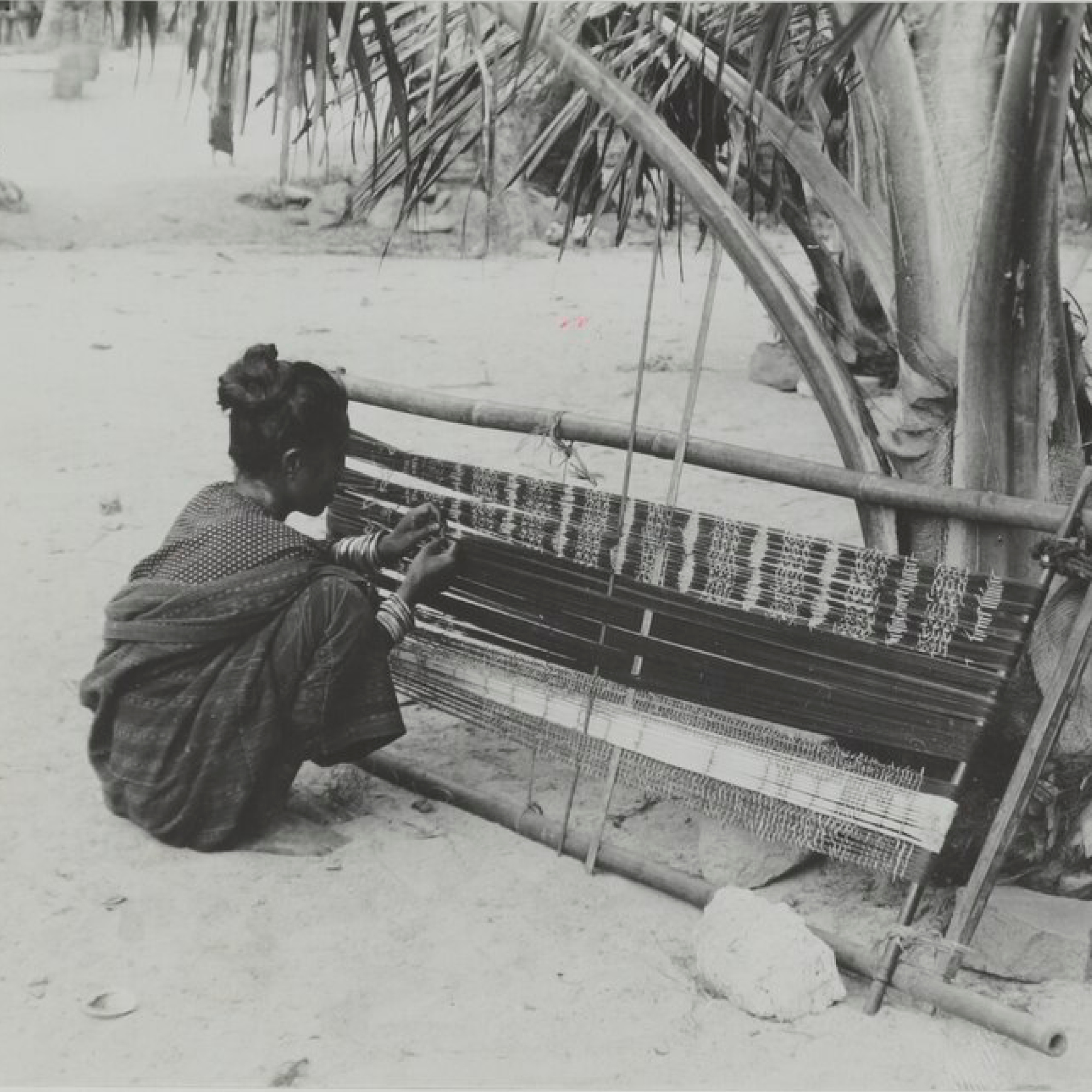
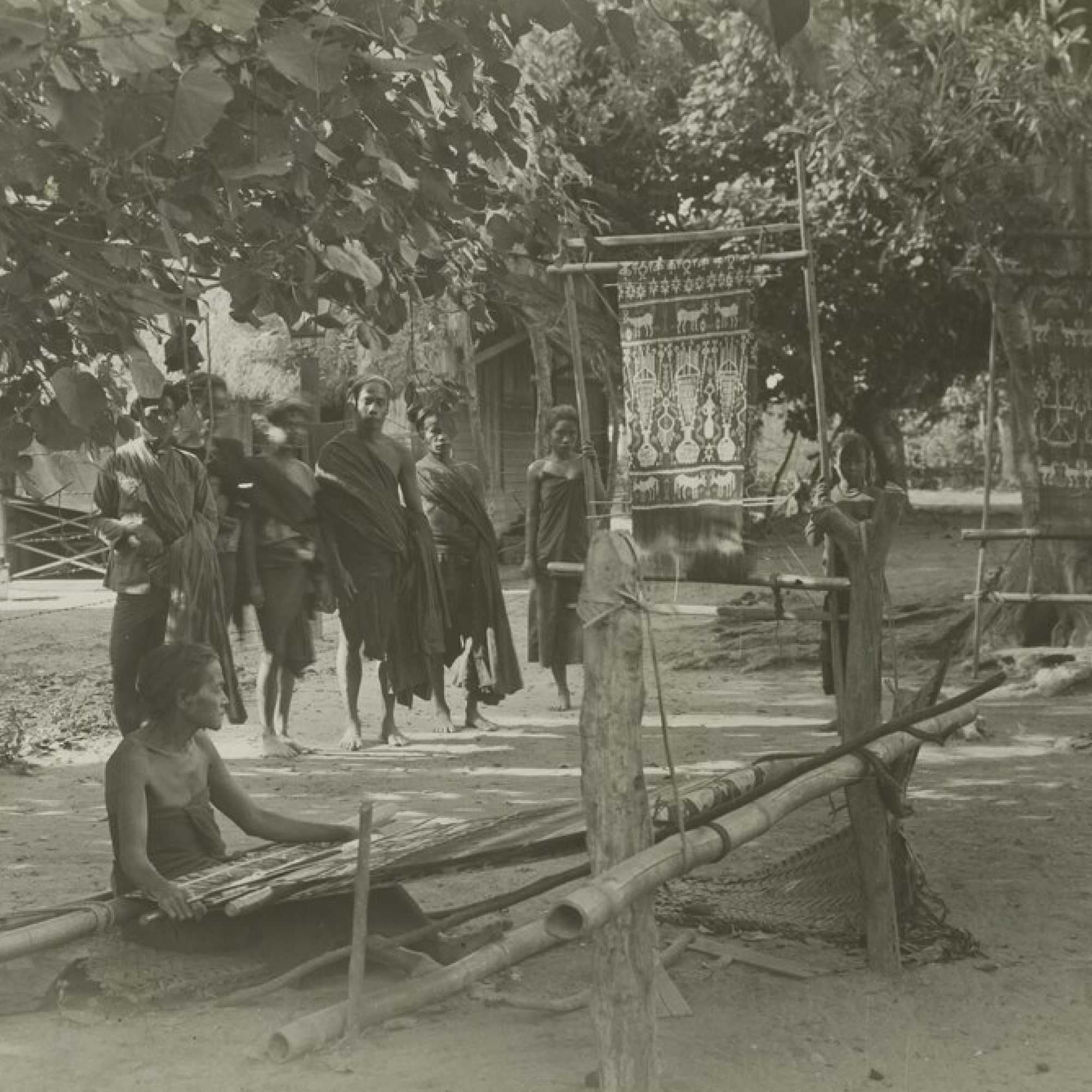
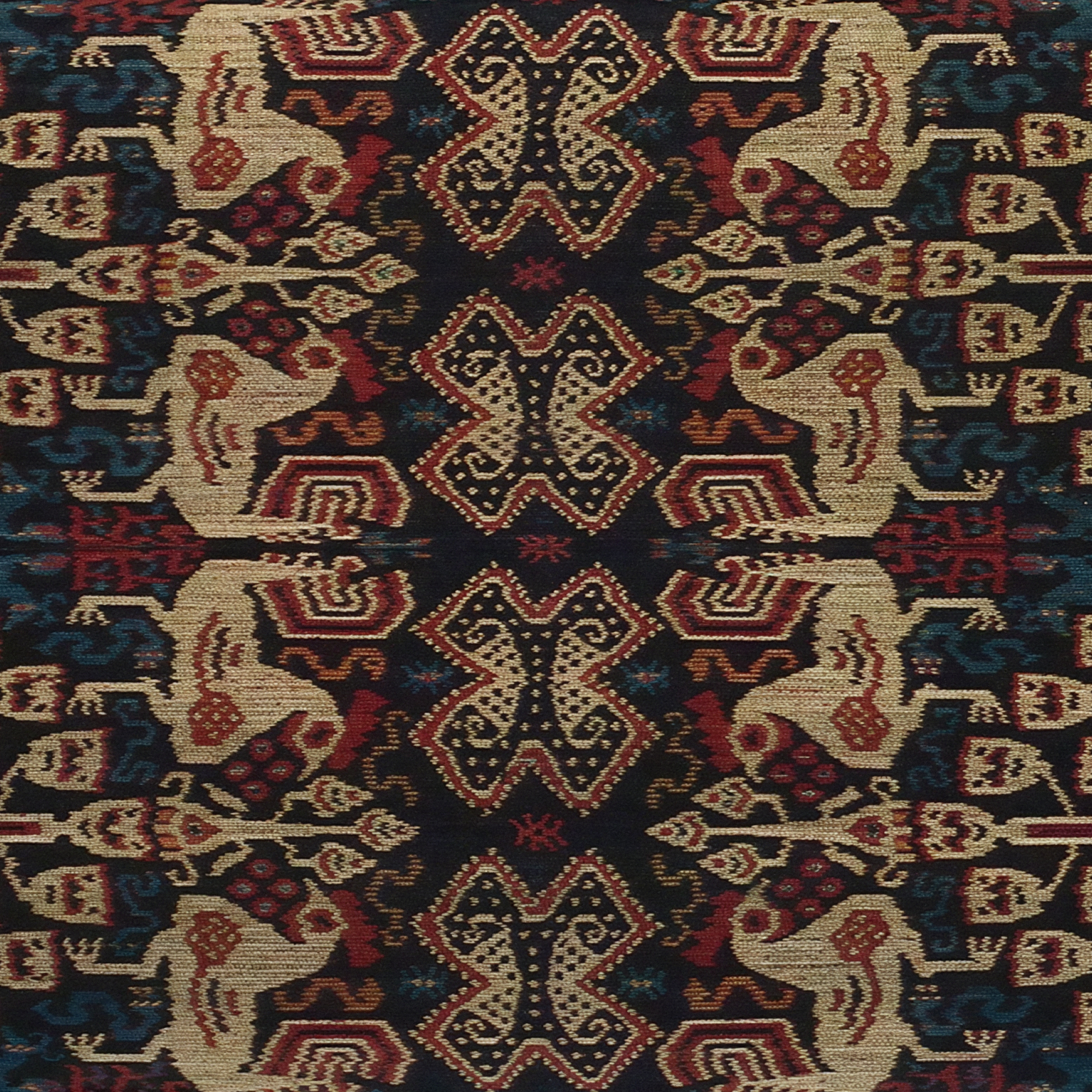
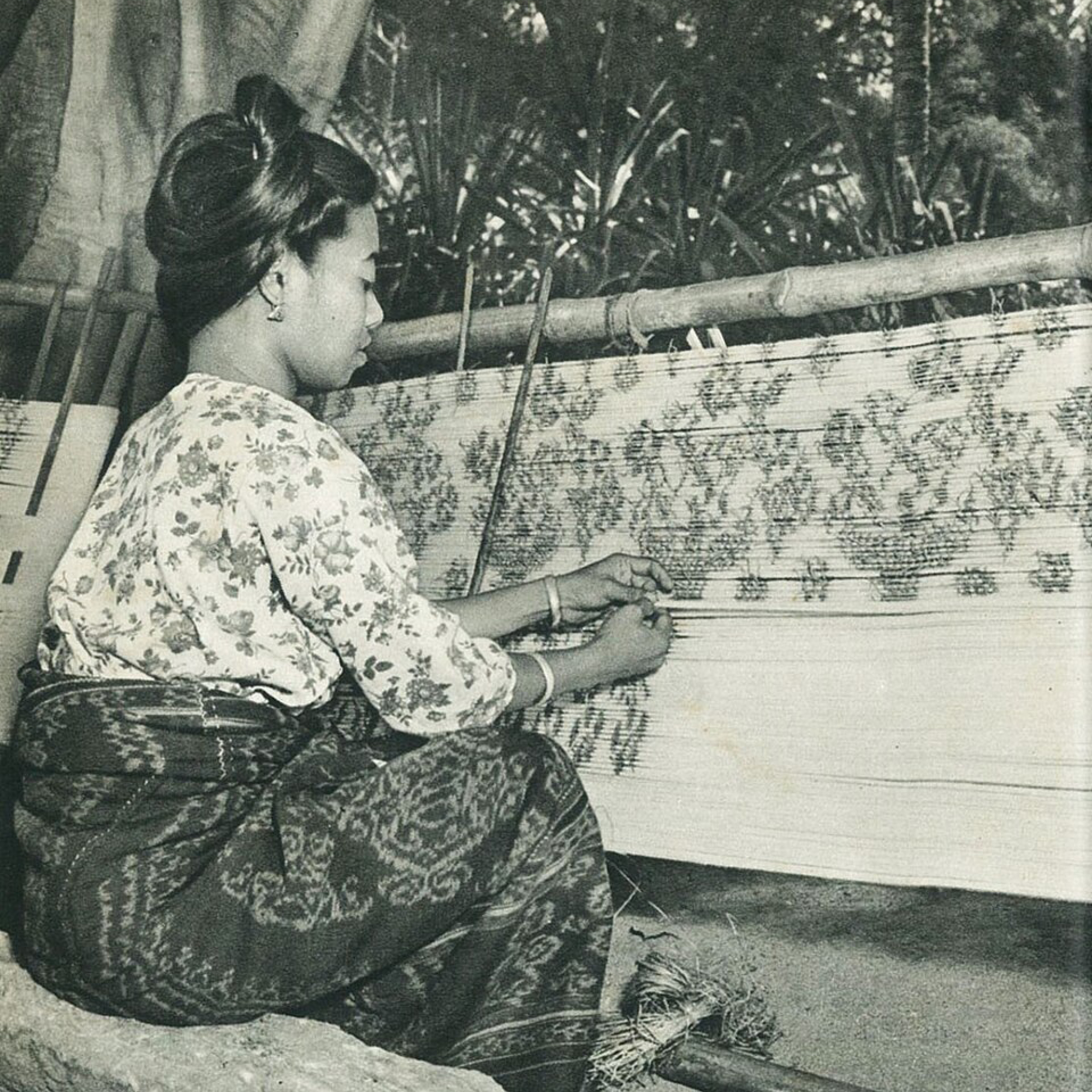
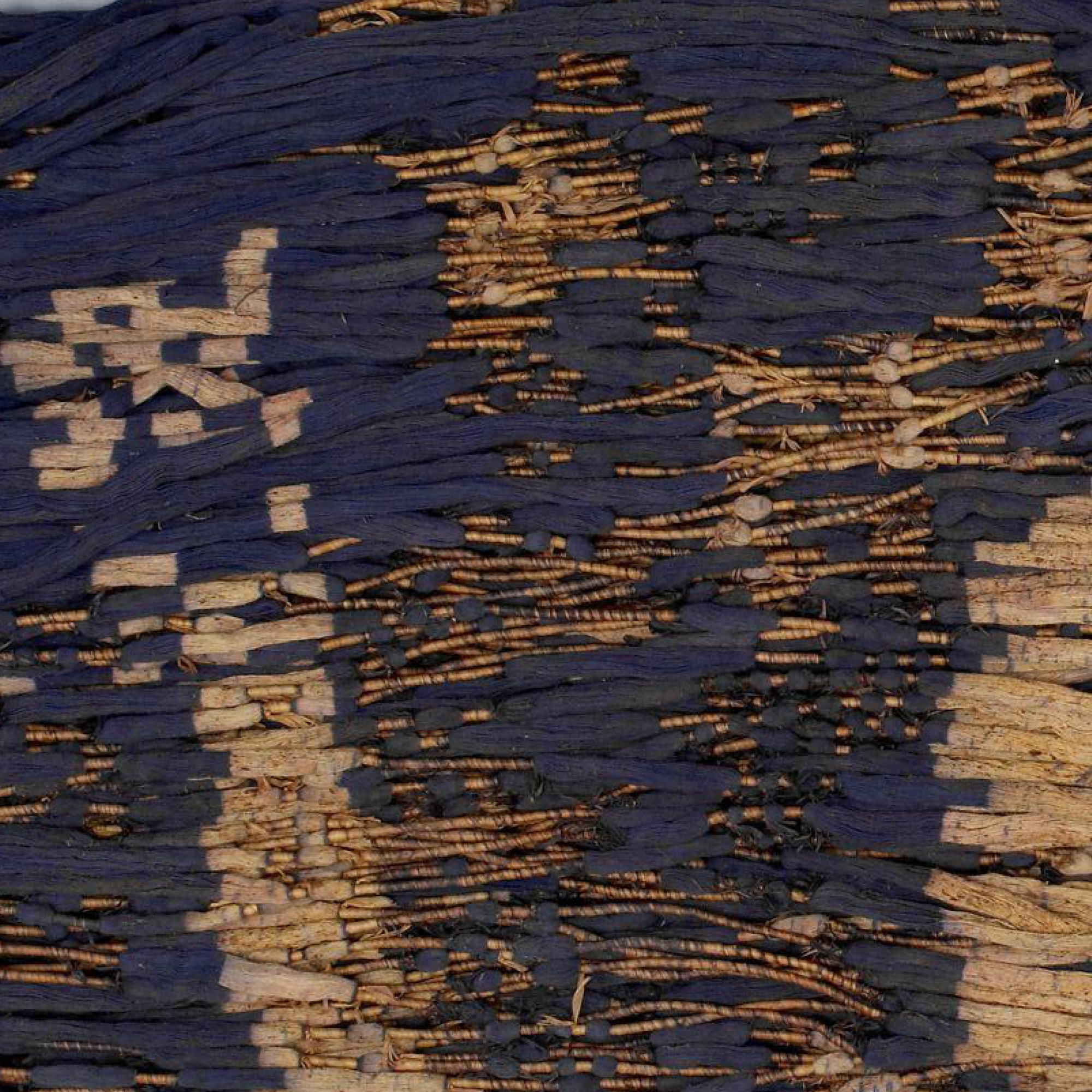
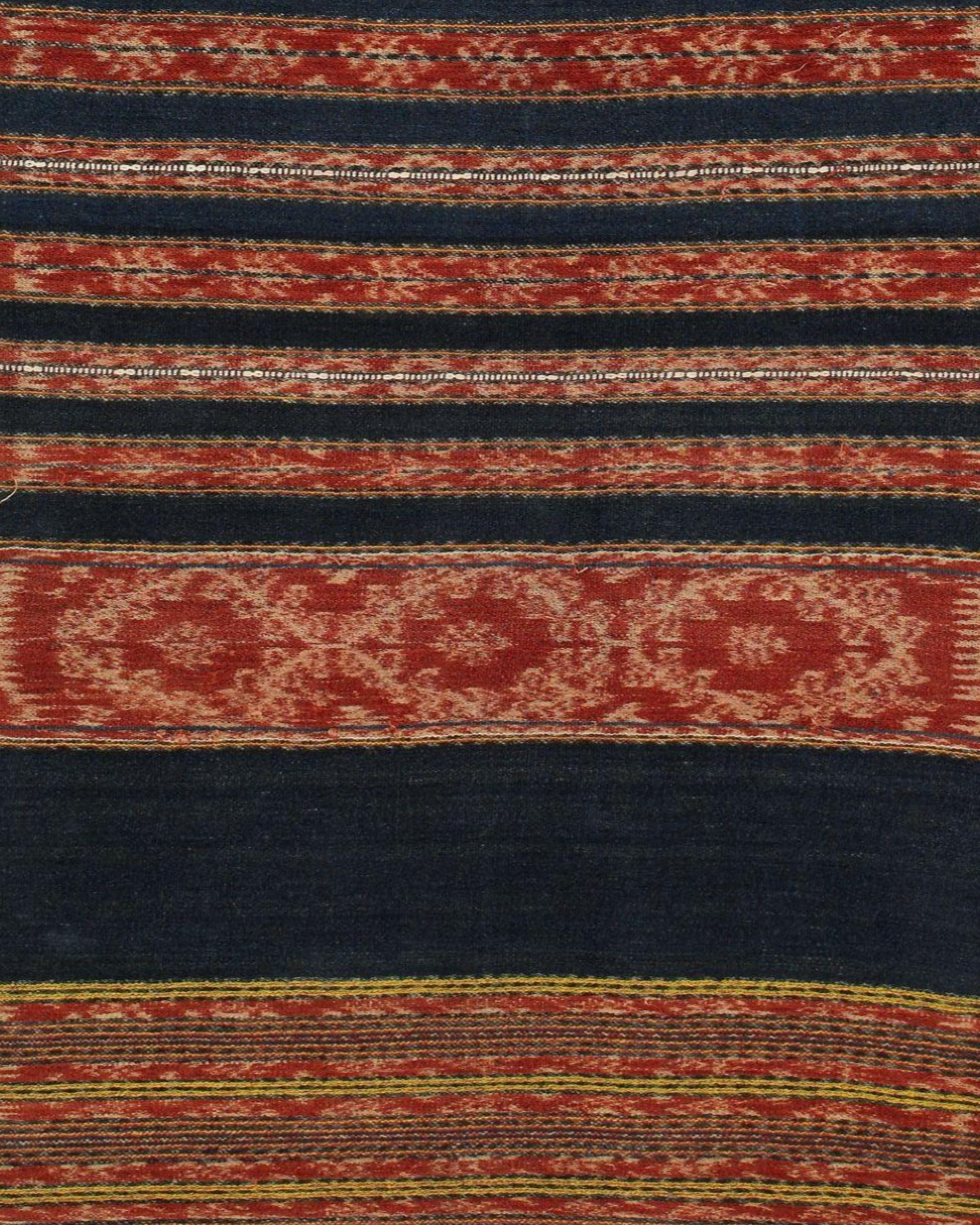
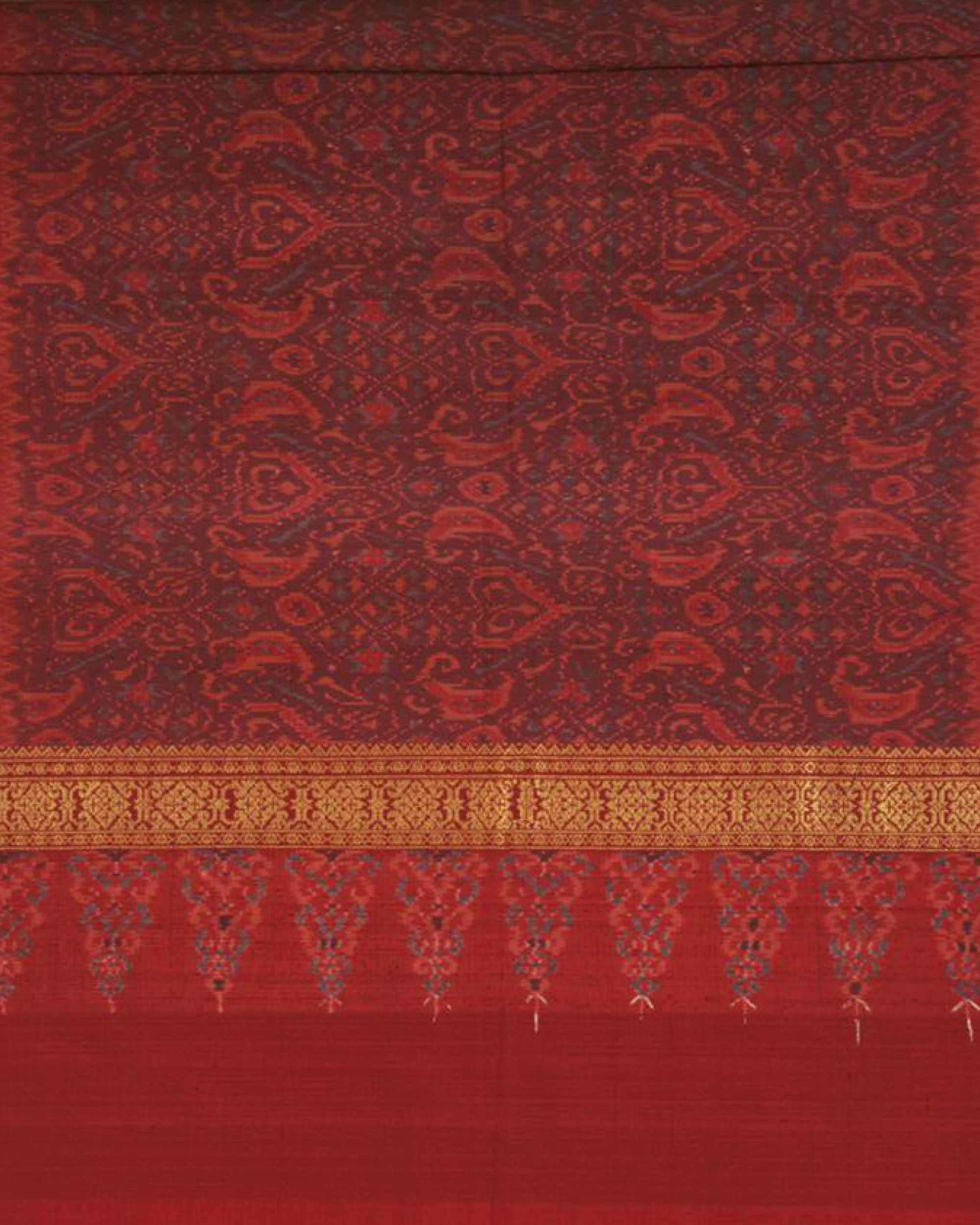
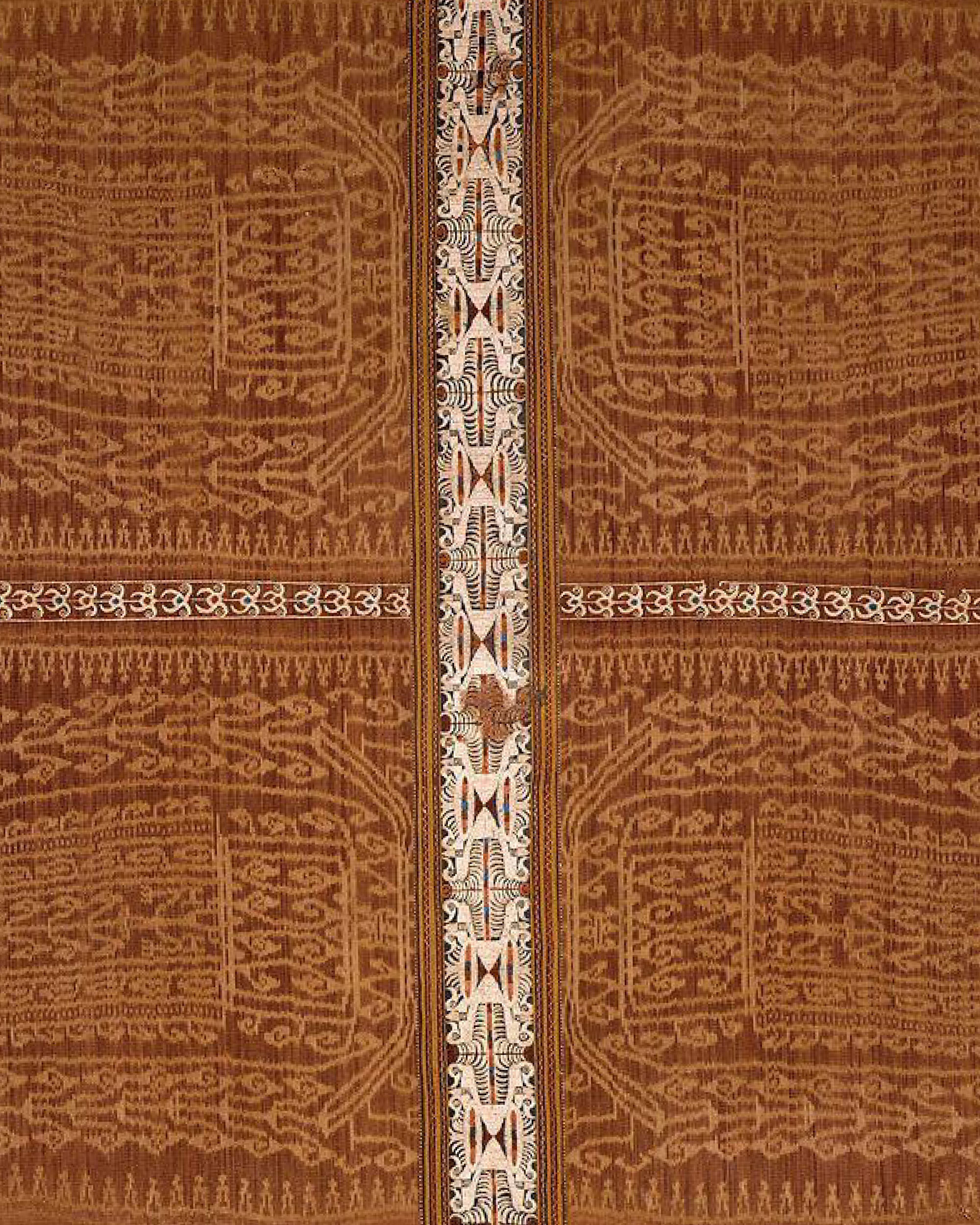
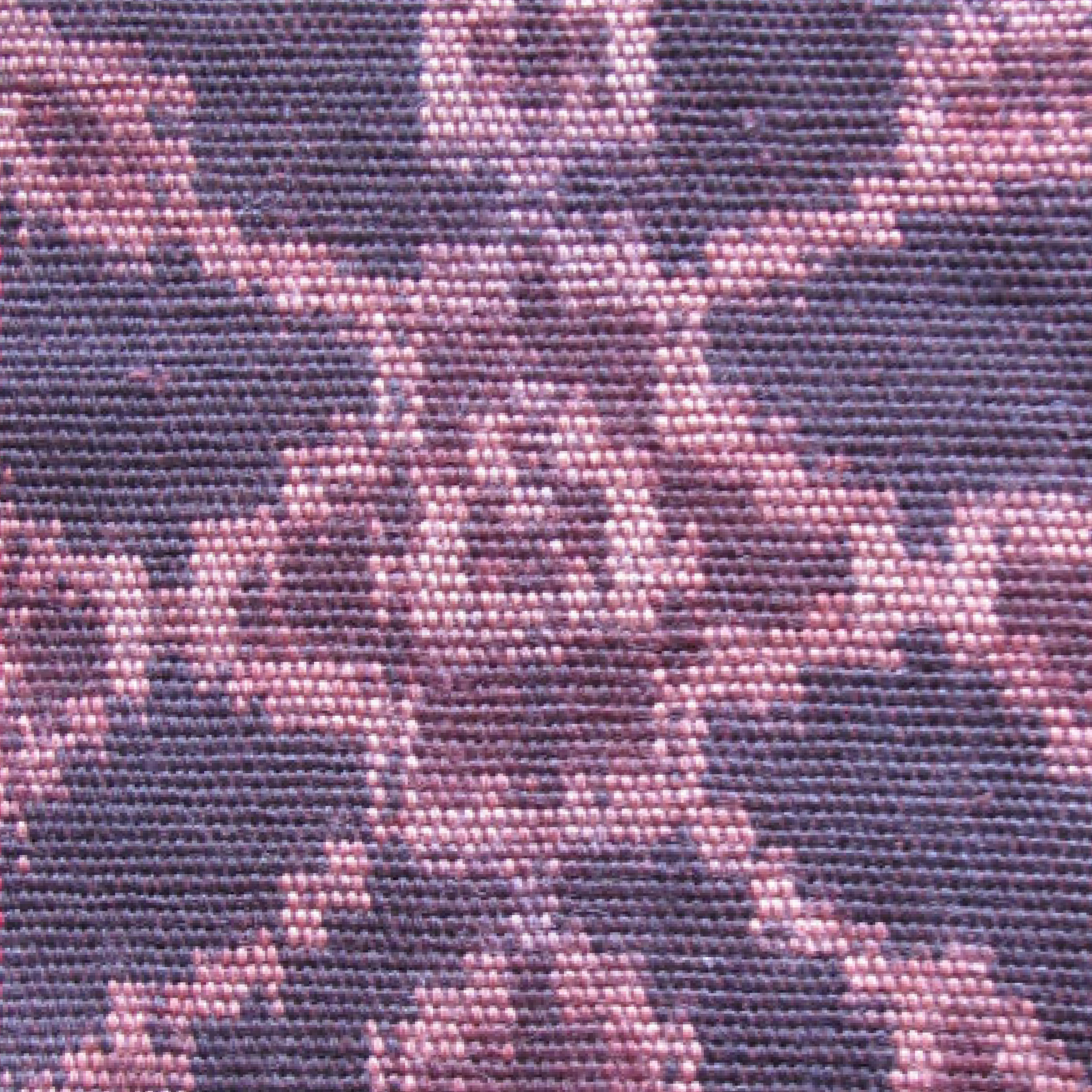
Consider Indonesian cloth. The Textile/Craft file opens: "Created by women and used by both sexes, textiles in many Indonesian societies are both literally and figuratively interwoven with an individual's life from earliest infancy to the wrapping of the funerary shroud." The bedong swaddles the newborn. The kain panjang wraps the adult body in daily and ceremonial life. The songket, brocaded with silver or gold supplementary weft, marks the bride. The white kain kafan wraps the body at burial. A Sasak life is marked with traditional cloth at every transition, and the ceremonial cloths pass between generations.Indonesian ikat is structurally exceptional. The word derives from the Malay mengikat, "to tie": the weaver ties off precise sections of yarn before dyeing, so the pattern arrives in the cloth from prior resist rather than from surface application. The dye is inside the thread, not on top of it. The cloth fades; it does not flake. Stored properly — folded in a wooden chest, kept dry, periodically aired — an ikat can survive sixty, eighty, a hundred years without losing its visual integrity. The Bale Tani that a great-grandmother lived in is, by 2026, not there. Her songket, however, can be unfolded from the chest at her great-granddaughter's wedding and be the same cloth, with the same imagery, with traces of her hands still visible in the brocade.
TREE AND MOUNTAIN.
Look closer at what is actually woven. The motif vocabulary of Indonesian textiles is dominated by two paired images: the tree and the mountain. "In many Indonesian cultures the tree is a symbol of the link between the earth (the abode of humans) and the heavens (the dwelling place of the gods)." On a Sumba woman's skirt, hand-spun cotton in supplementary warp weave, is the andong, the skull tree: a branch hung with the heads of slain enemies, placed on a central mound during village rites for fertility. On Tenganan's sacred double-ikat geringsing, the mountain takes the form of a domed stupa. On the great Javanese dodot, the cotton wraps reserved for royal weddings, schematic mountain ranges hide in the patterned flora. These are not decorative tropes. They represent the cloth’s underlying cosmology, utilizing a shared cultural vocabulary: stylized temple-and-tree triangles in the borders, stepped mountain forms in the body.
OBJECTS WHICH ANCHOR
The anthropologist Annette Weiner, in Inalienable Possessions (1992), proposed that every society has a category of objects that cannot be alienated through ordinary exchange. She called this kind of object an anchor—held by the family across generations, not consumed by exchange, whose function is to anchor the lineage in time. The Crown Jewels are one example; certain Polynesian feather-cloaks another. The Sasak songket is precisely such an anchor. In Lombok, fabric is what one inherits, and the building is what one replaces.

“She called this kind of object an anchor—held by the family across generations, not consumed by exchange, whose function is to anchor the lineage in time.”