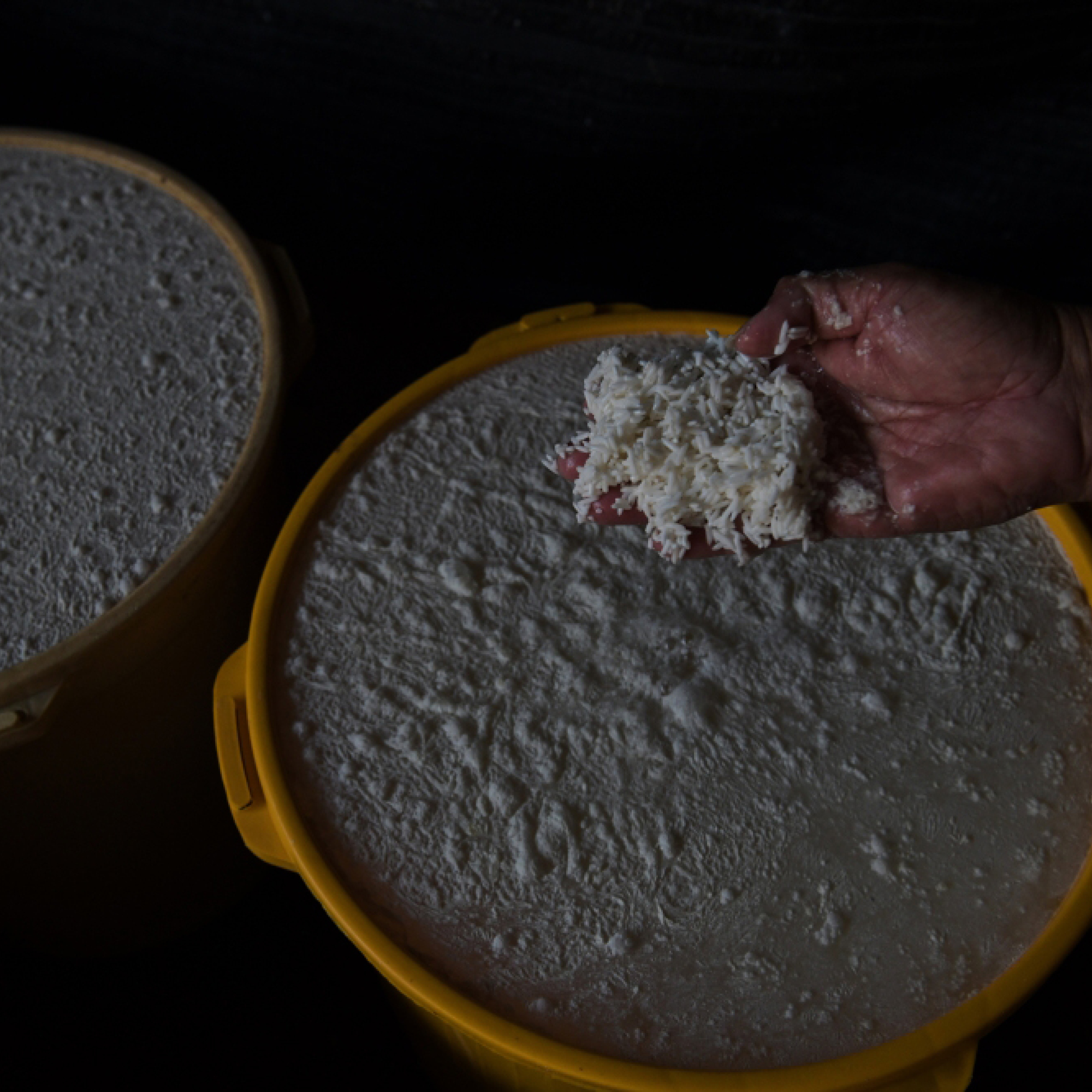
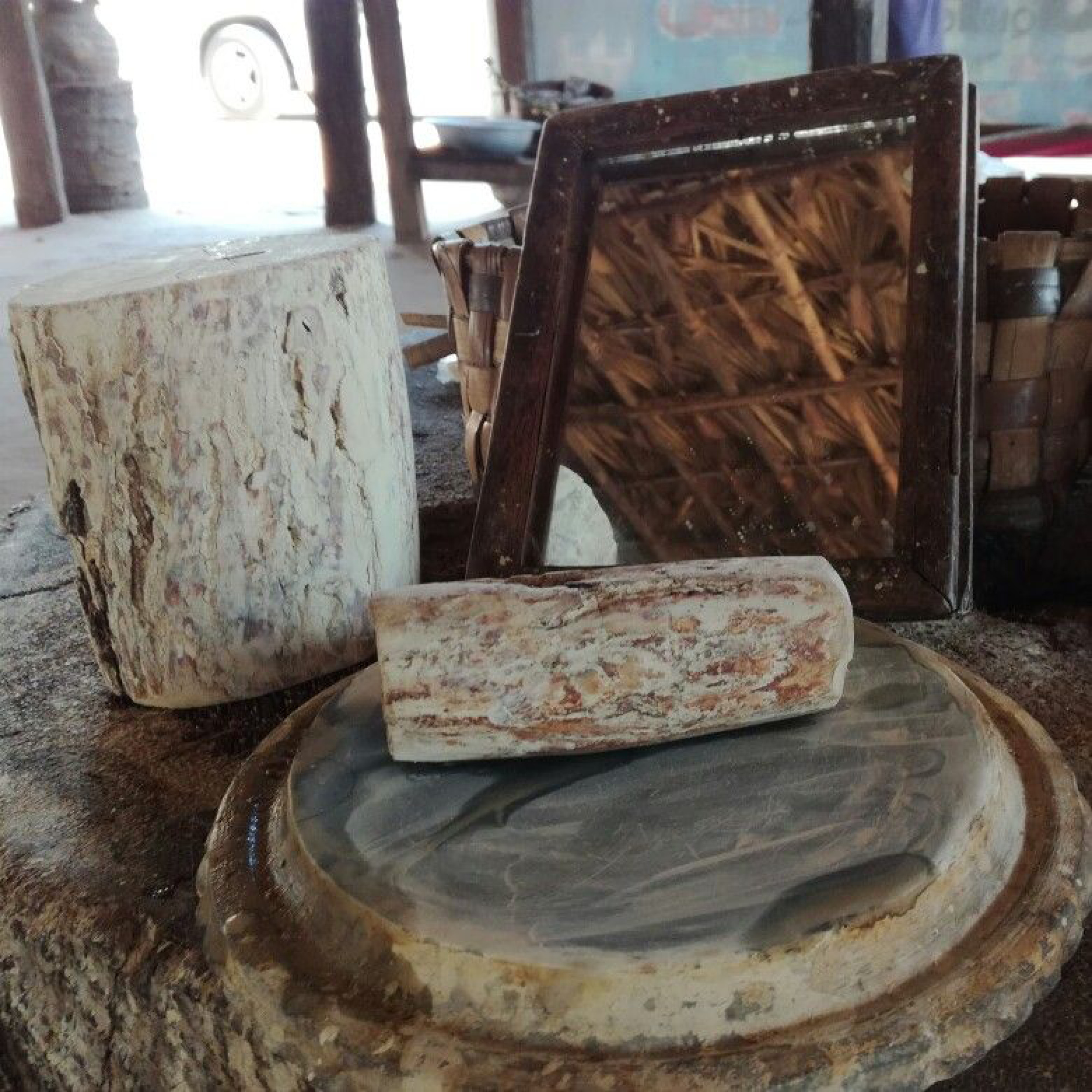
After mandi, the word for bathing, the Indonesian woman applies bedak sejuk—fermented rice powder, mixed with water into beads, dried, then crushed into a thin paste—to her face, neck, and shoulders. The Burmese child wears thanaka, a yellow bark paste, on the cheeks. The Thai bather sprays nam ob floral water before dressing. In Indonesia, minyak kayu putih, cajuput oil, is rubbed on the abdomen after a hot bath. In each case, the bath does not end at the door of the bathroom. It ends on the skin, in a layer of mineral or vegetable matter that regulates the body's exchange with the air.
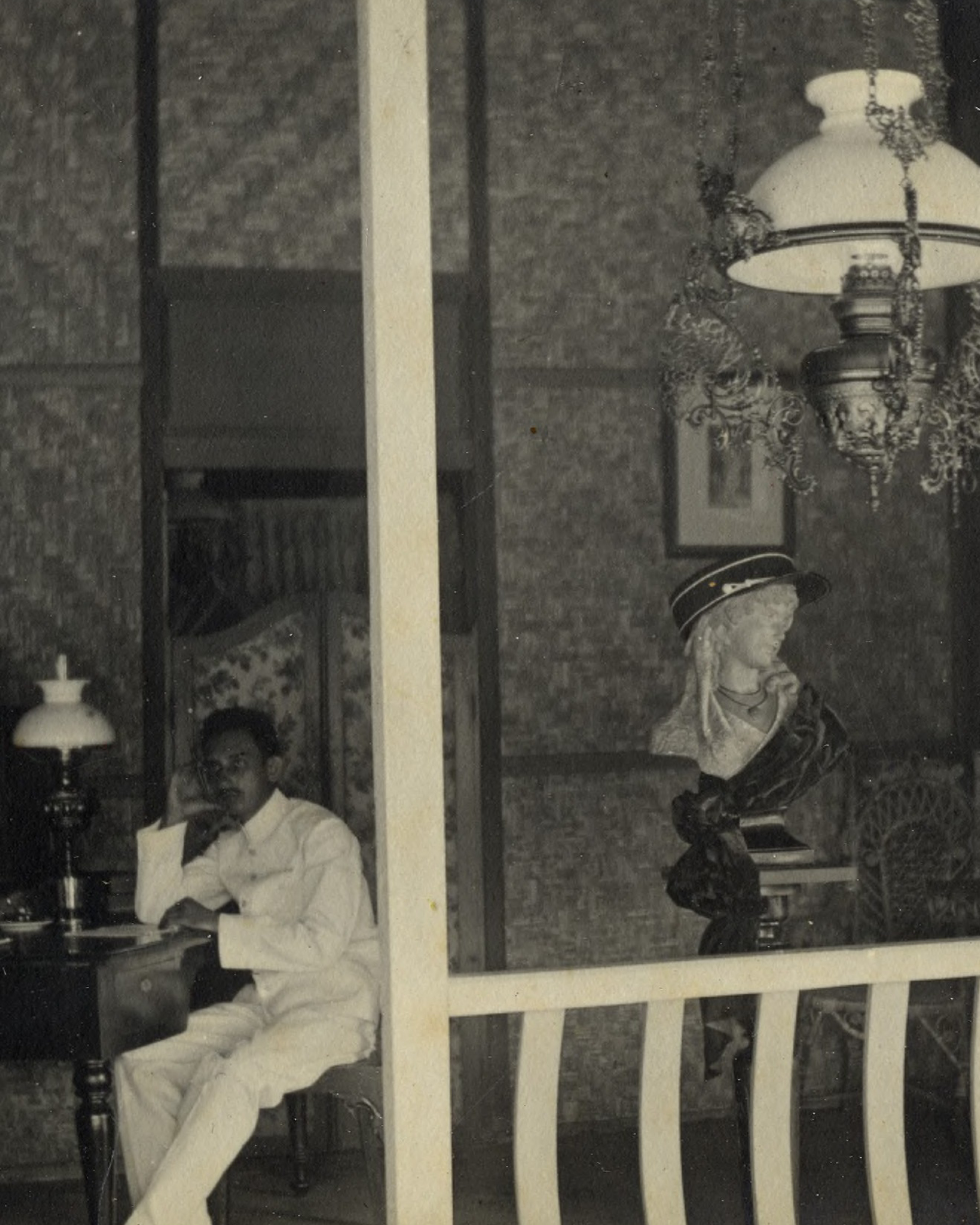
Gottfried Semper, in 1851, defined the origin of architecture to Bekleidung - dressing and cladding. The wall, he argued, derives not from stone or wood but from the woven materials that enclose a space: in this case, a tropical hut clothed in fibre. What Semper did not consider, though Java, Sumatra, and the Malay world were within his ethnographic reach, is that the cladding might continue past the wall, onto the body, as a final climatic stratum.
“She still remembers sleeping with bedak sejuk smeared thick on her face, especially during the hottest nights of the year.”
In the bedak-sejuk economy, the architectural envelope is not a single line drawn at the building edge. It is multi-layered, and the outermost layer is pigment. Tropical architecture in the Geoffrey Bawa tradition has always understood that the envelope theory must include verandahs, screens, deep eaves, planted courtyards. the boundary between inside and outside is never a single wall but a sequence of graduated conditions. That architecture is among the most intelligent responses to heat and humidity the world has produced.
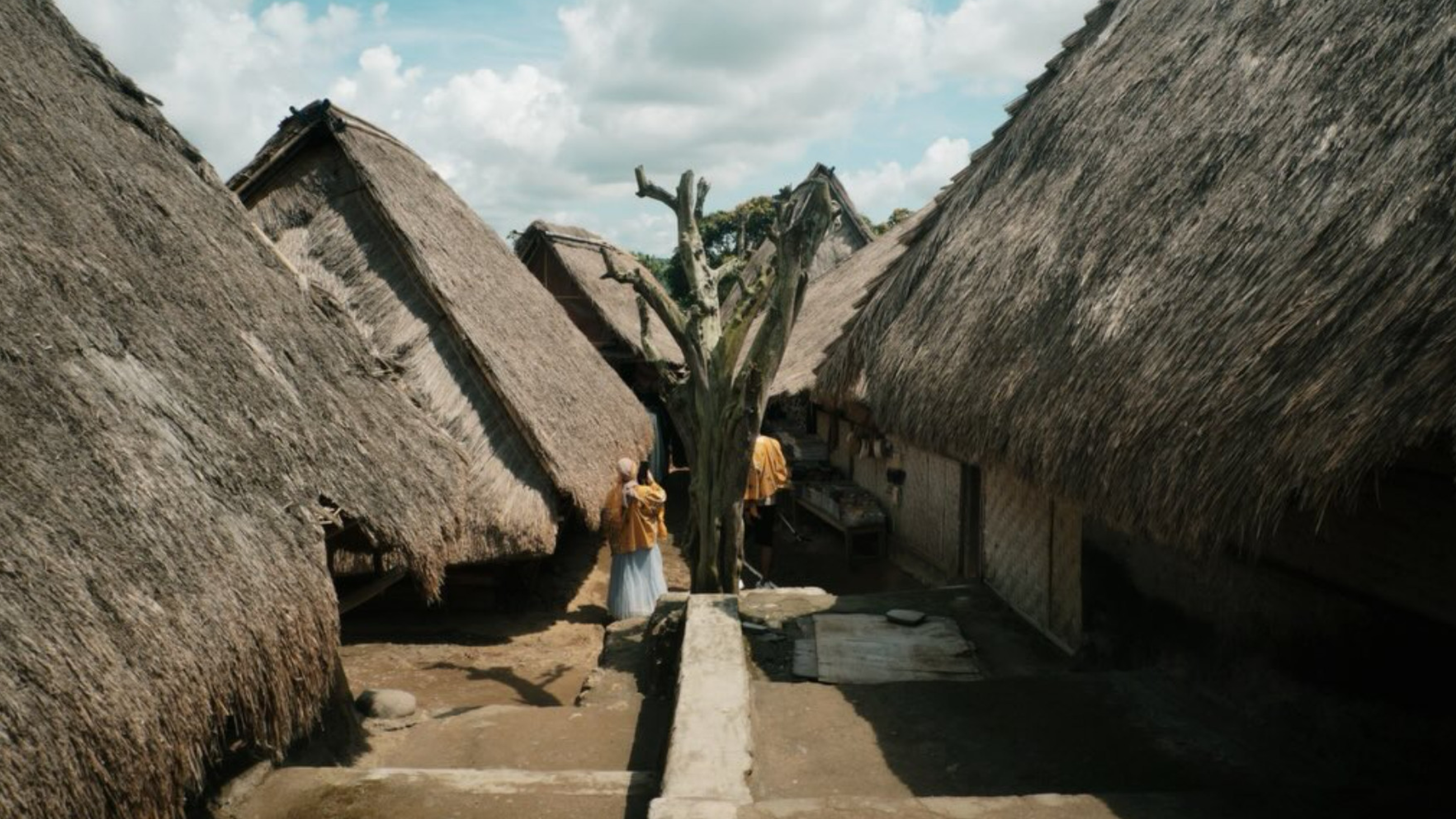
Drawn properly, the section of a tropical Lombok hut is therefore an inventory of layered plant strata and substrates: alang-alang thatch (rice husks bundled, combed, and layered into thatch that can shed two meters of annual rainfall and last seven to ten years before requiring replacement), tree-branch ties, bamboo, woven bedek walls, and mixed earth. The structural layer is bamboo, Dendrocalamus asper or Bambusa vulgaris, flexible, lashed, and hollow-stemmed.
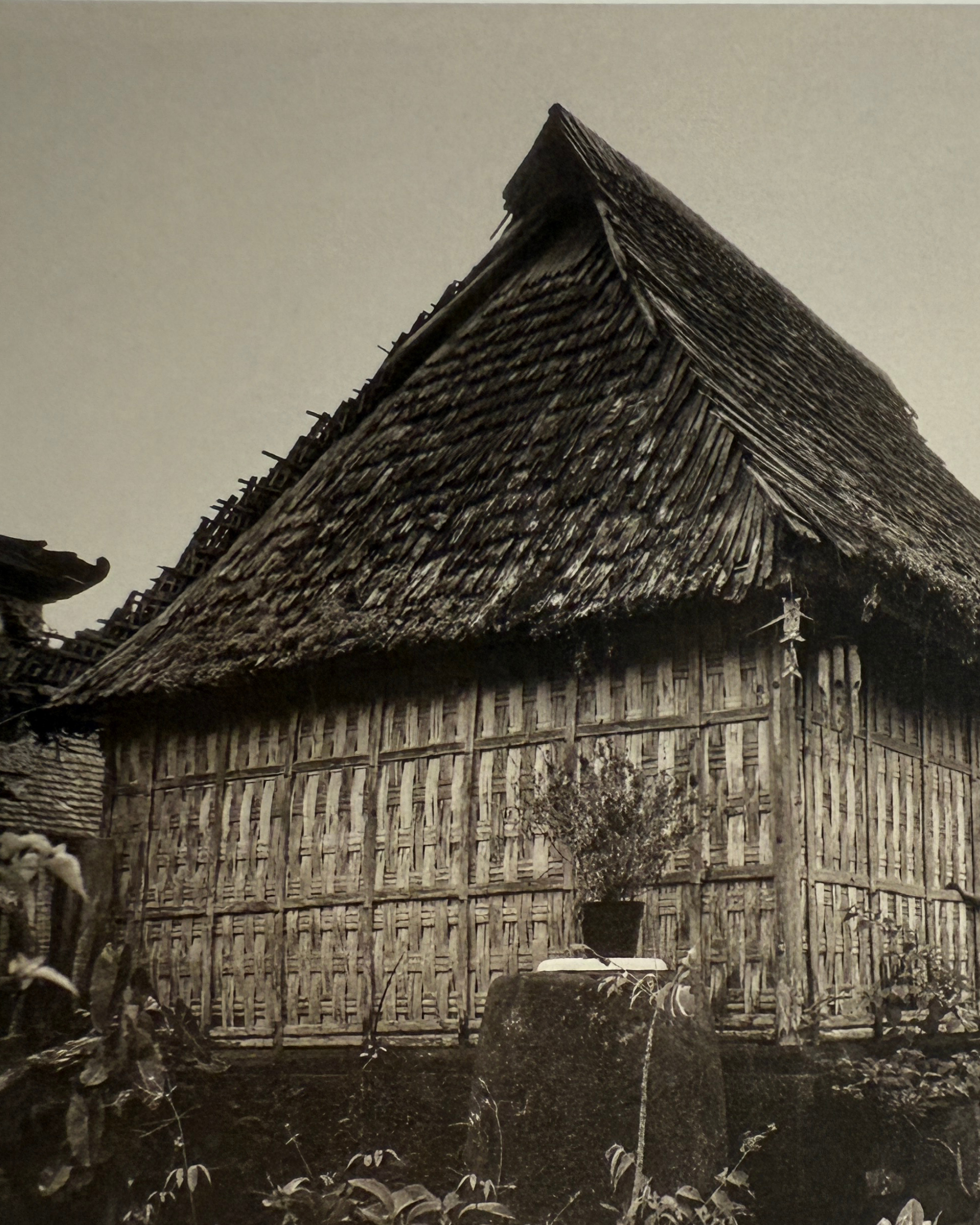
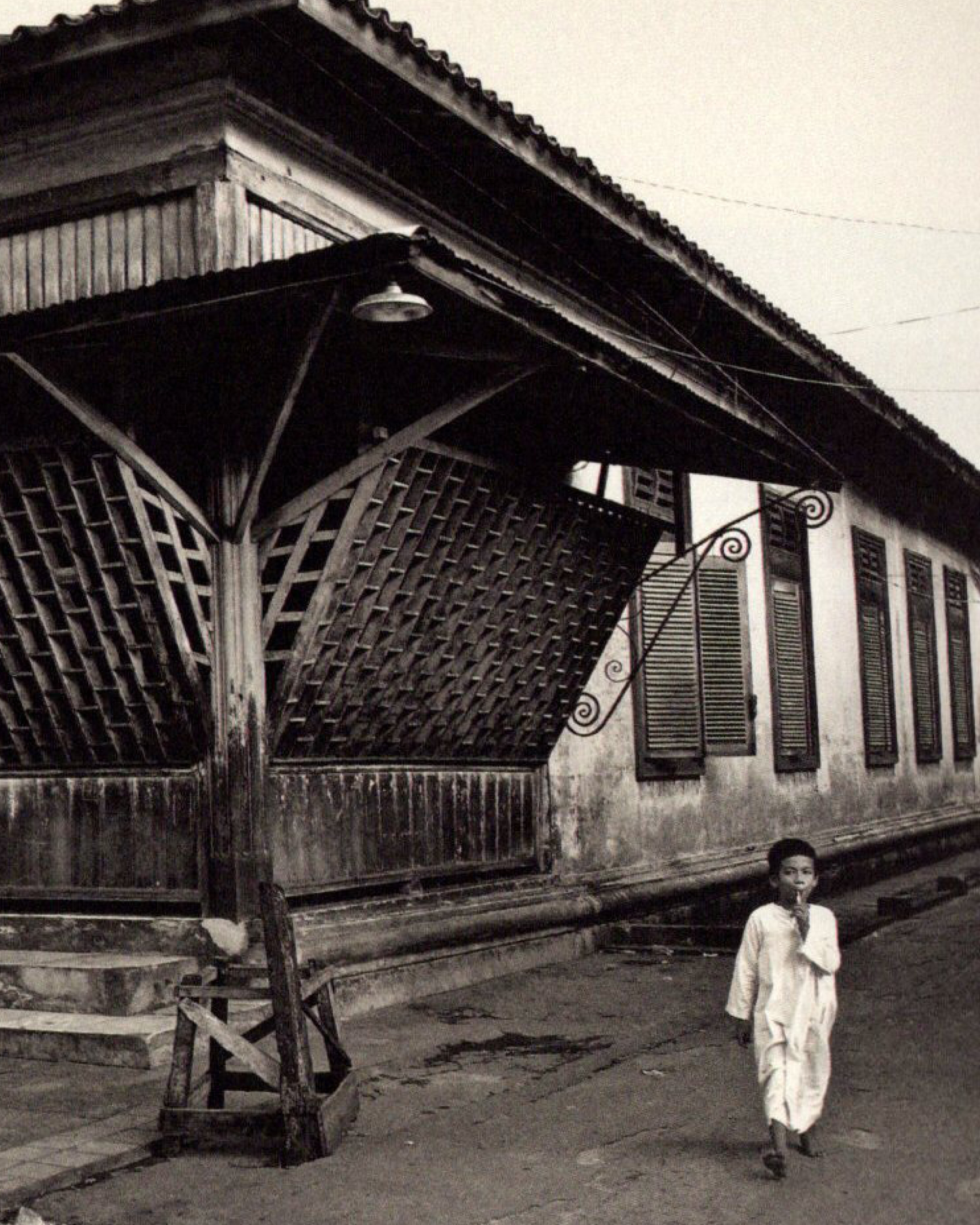
Extending beyond these materials, bedak sejuk, is used on the body as its outermost finish. Insulating the skin as a second wall, it's applied and worn overnight like a cool sleep mask, that once dried forms a cool stiff mask. Rice water contains amino acids like lysine, glutamic acid, and arginine, which serve to hydrate and condition the skin.
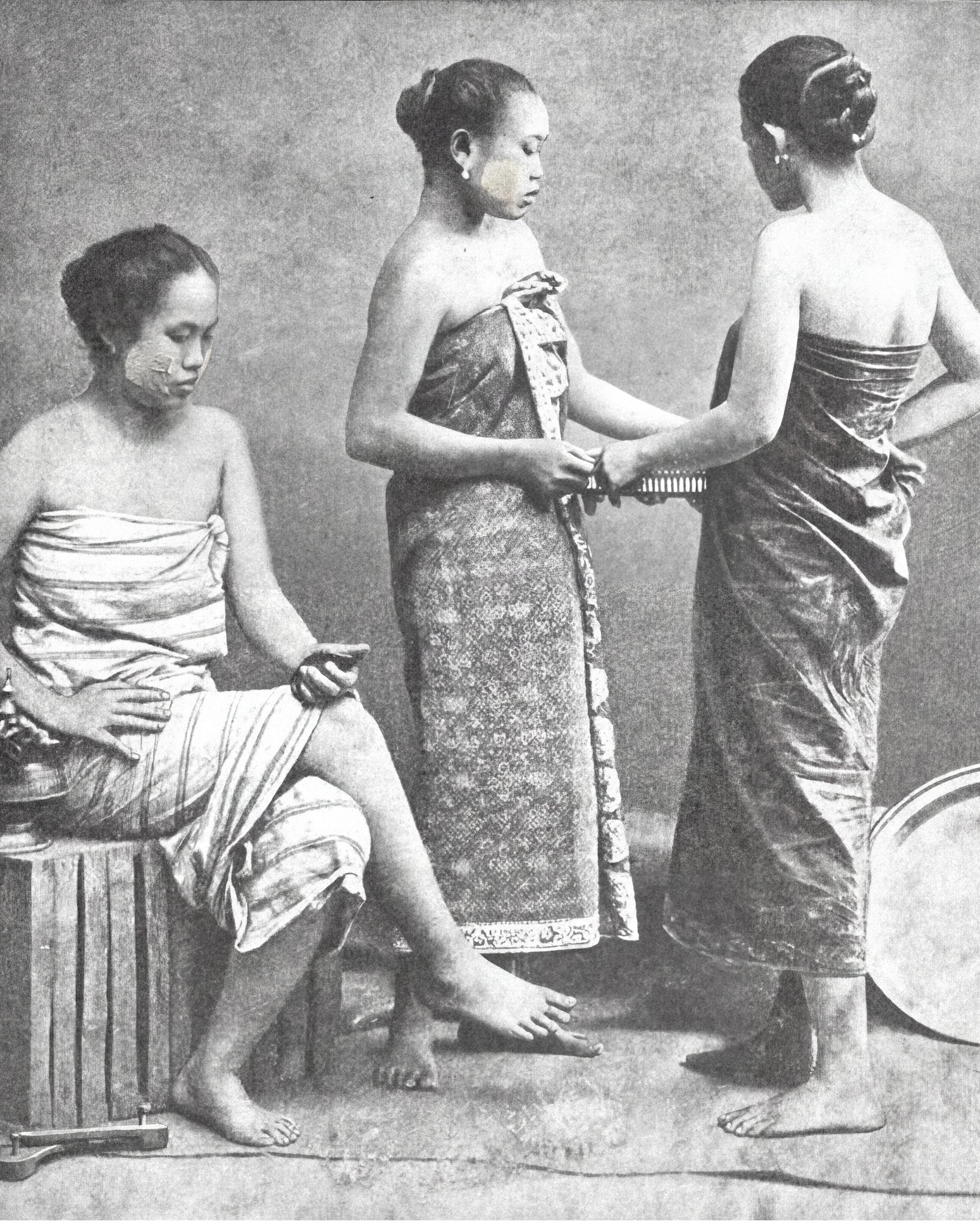
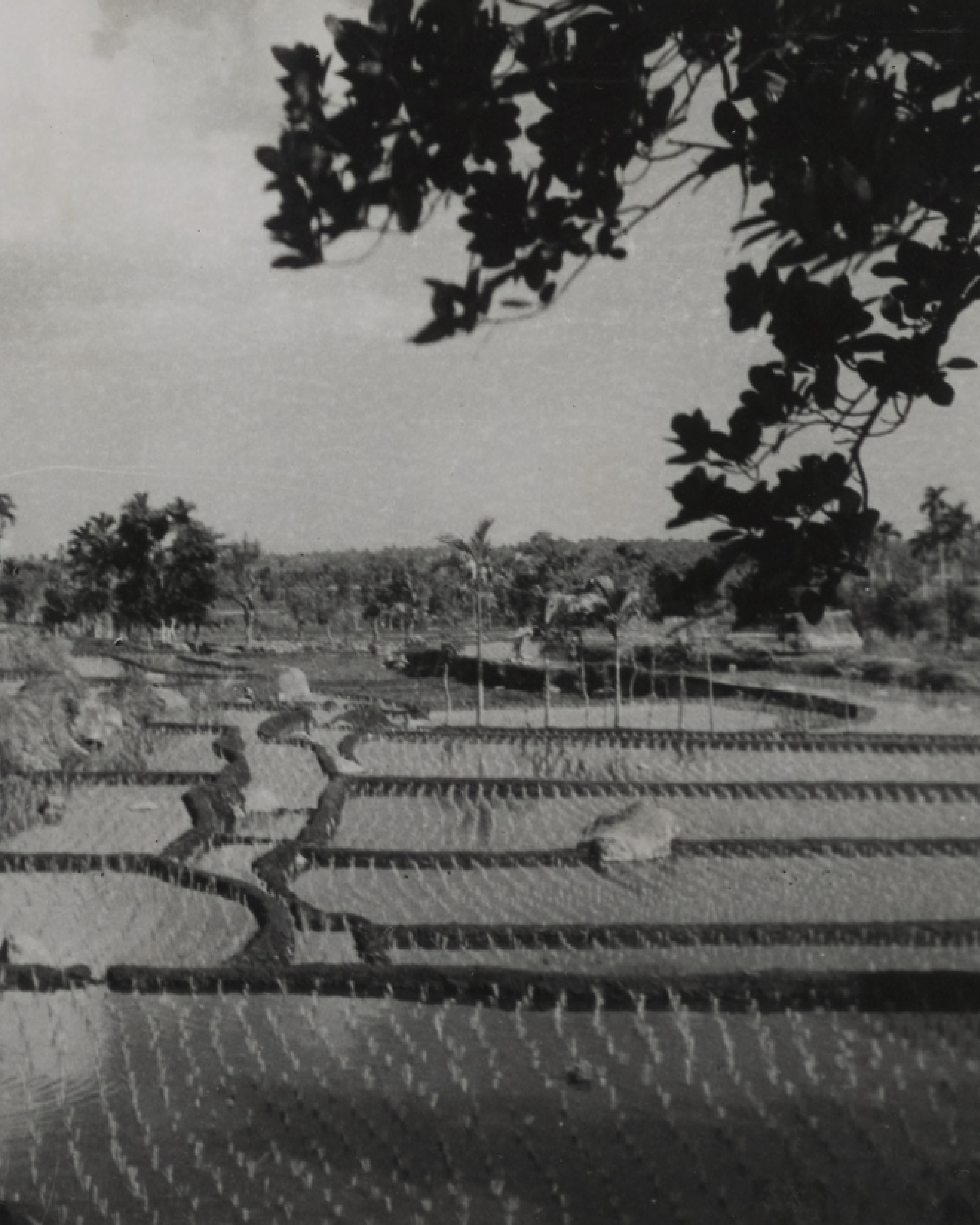
“The cladding might continue past the wall, onto the body, as a final climatic stratum.”
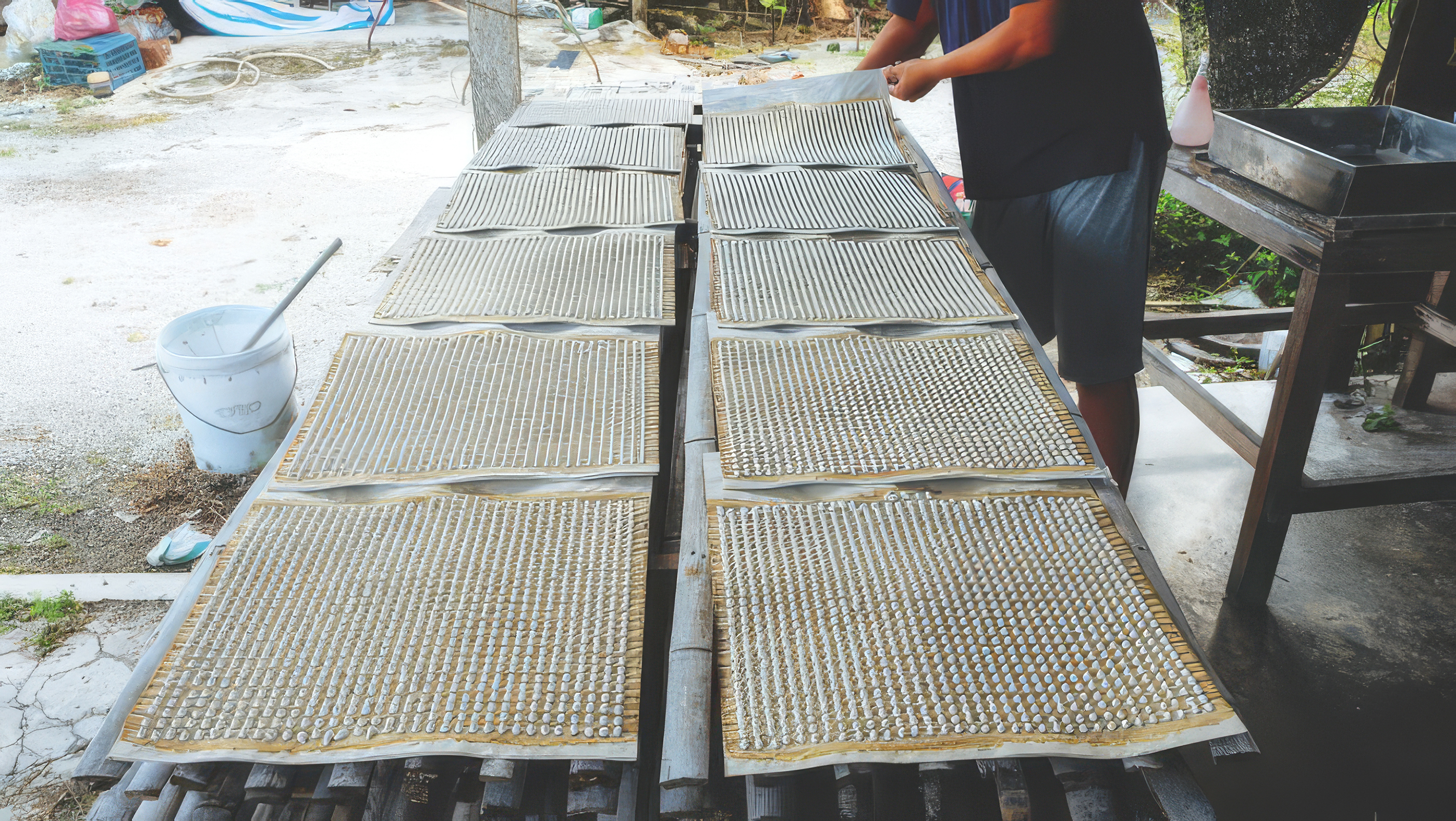
In summary, Sasak architecture cannot be confined to the structure itself but must be seen as a fluid, multi-layered system extending from physical structures onto the human body, drawing on the cosmetic tradition of bedak sejuk expanding on Gottfried Semper's theory of Bekleidung. By analyzing elements like the Lombok hut, there is a graduated, functional boundary between inside and outside that transitions from plant-based materials to cooling pigments worn as a second skin.