


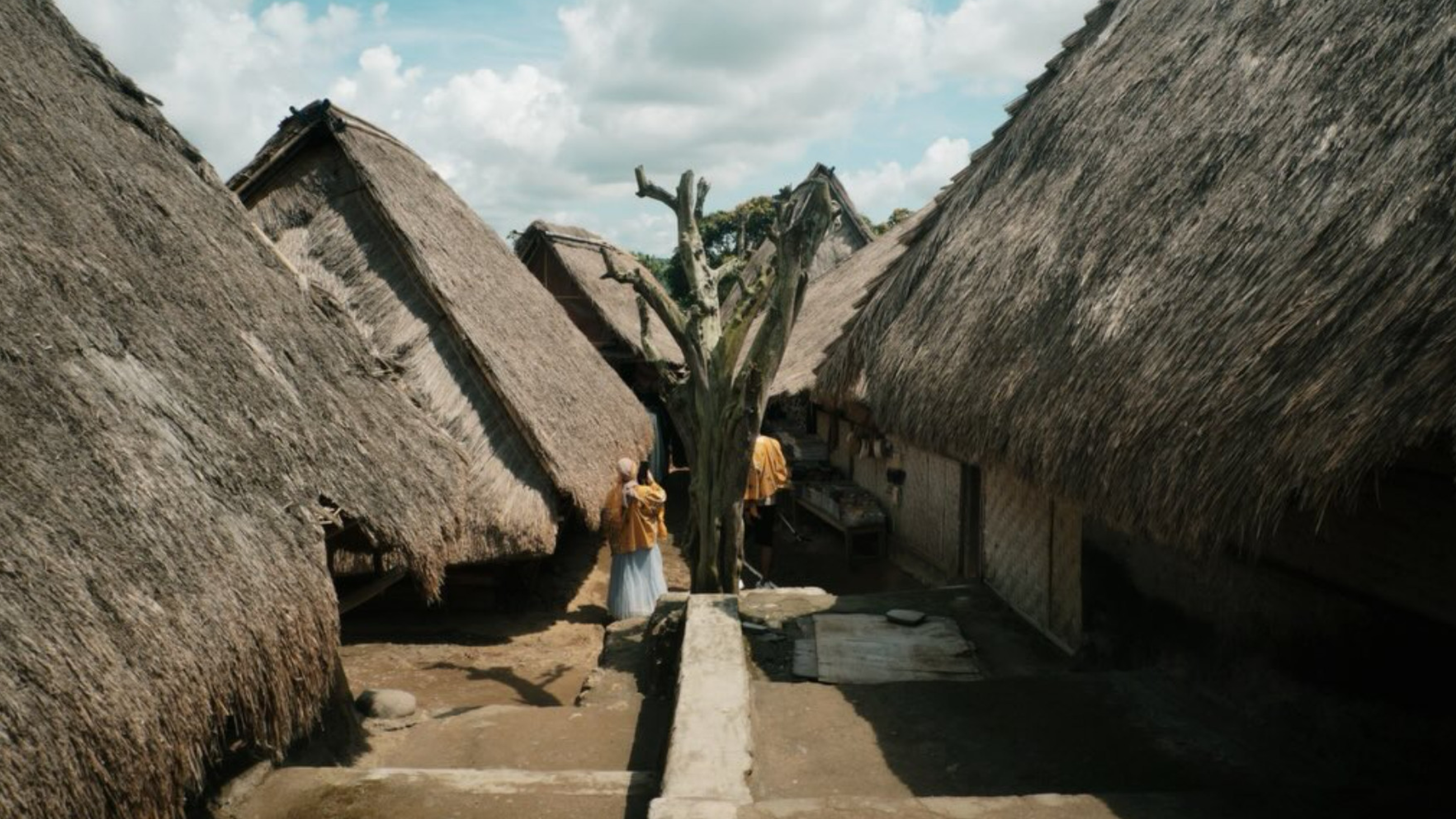
Bale Tani, the traditional homes of the Sasak people on Lombok, feature a front door hidden beneath a grass thatched roof that is built deliberately low, forcing the entrant to bow in order to enter. This tradition is a way to show humility and respect to the homeowner and is also deemed to keep large evil spirits out of the house. The lintel is, in this context, the building's most significant feature: a single beam positioned at exactly the height that compels the genuflection of every guest, every household member, every priest, and every tax collector.
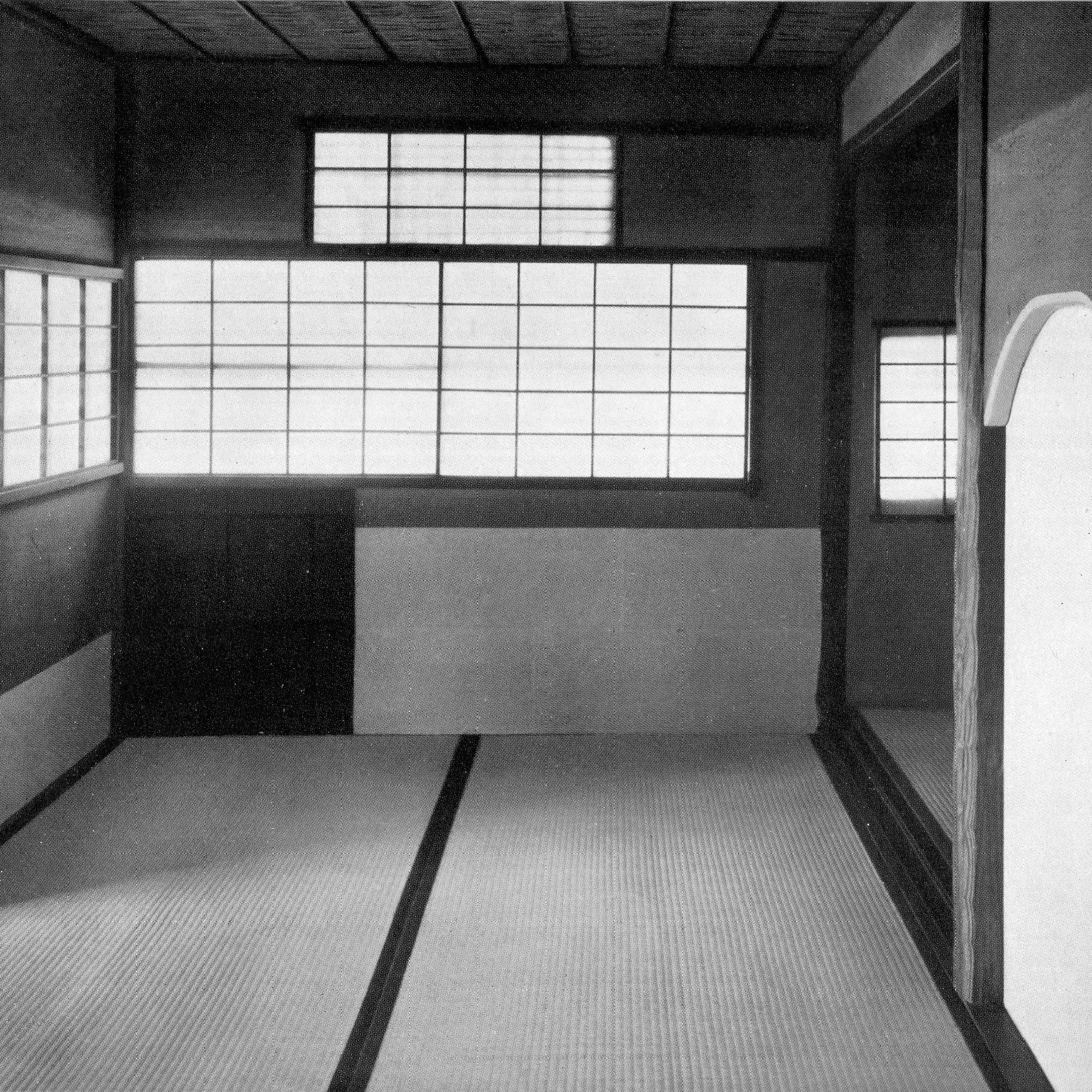
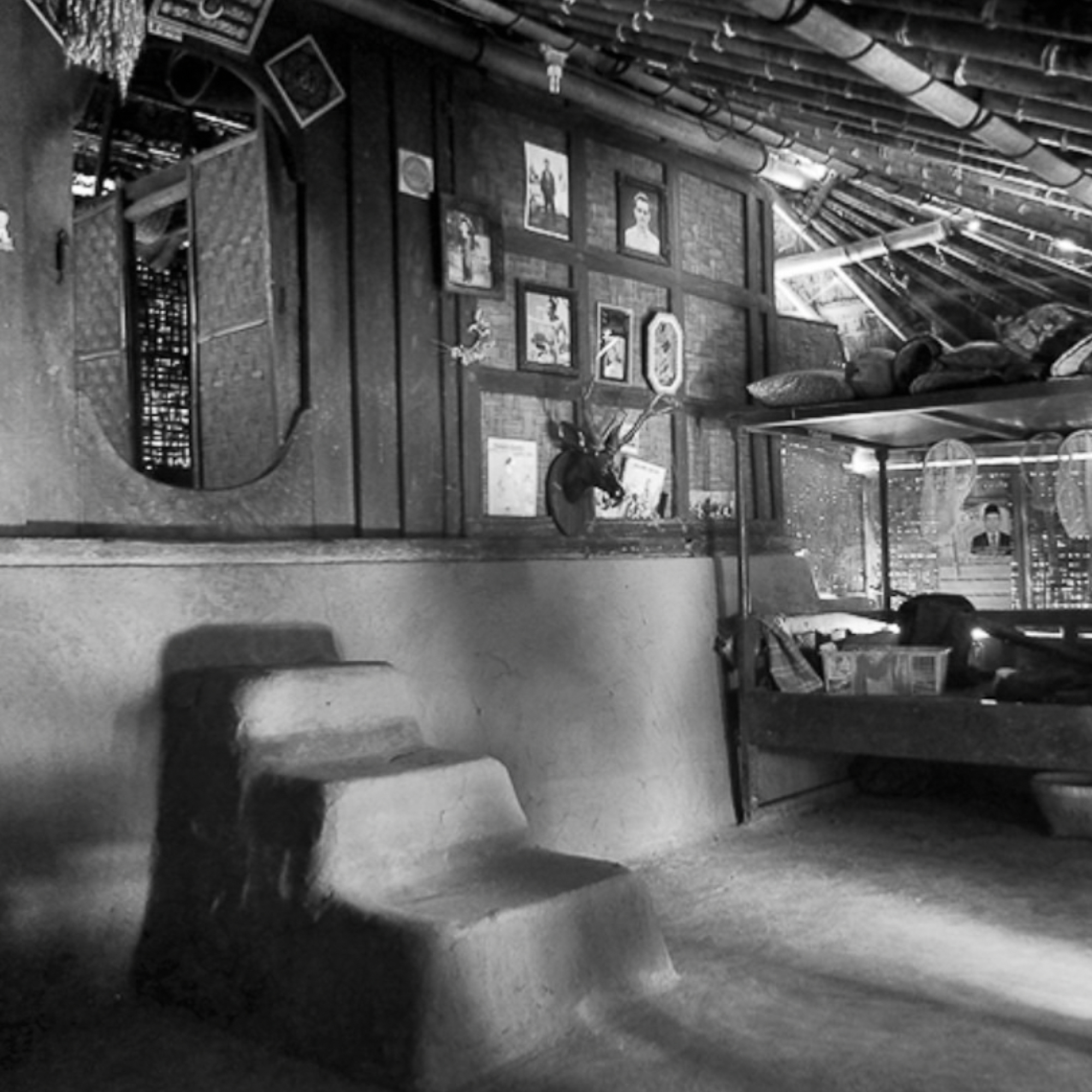
Architectural theory has not, on the whole, taken the role of the threshold seriously enough. Walter Benjamin's Schwellenkunde—"threshold-science"—proposed it as the discipline that modernity has lost: the porch, the doormat, the boot-scraper, and the dado are all elements that inform the behavior of the entrant. The Sasak low door is the most distilled form of Schwellenkunde. It achieves in a single design element what Western Christian churches spread across the narthex, font, screen, rood, and chancel-step. The Japanese tea-room’s nijiriguchi—the crawl-through entrance—does the same, as does the prie-dieu before the altar. Yet, the Sasak door remains the most democratic, requiring a bow for every entry to every home.
“Architectural theory has not, on the whole, taken the role of the threshold seriously enough.”
A body that has to bow or crouch is different from one that walks into a space upright. Bowing informs the body that the room it is entering is not its own, and it is reminded of this when it has to become smaller each time it crosses a threshold. To remove the low lintel—as modern Sasak houses sometimes do—is to remove a moral framework that was never decorative.
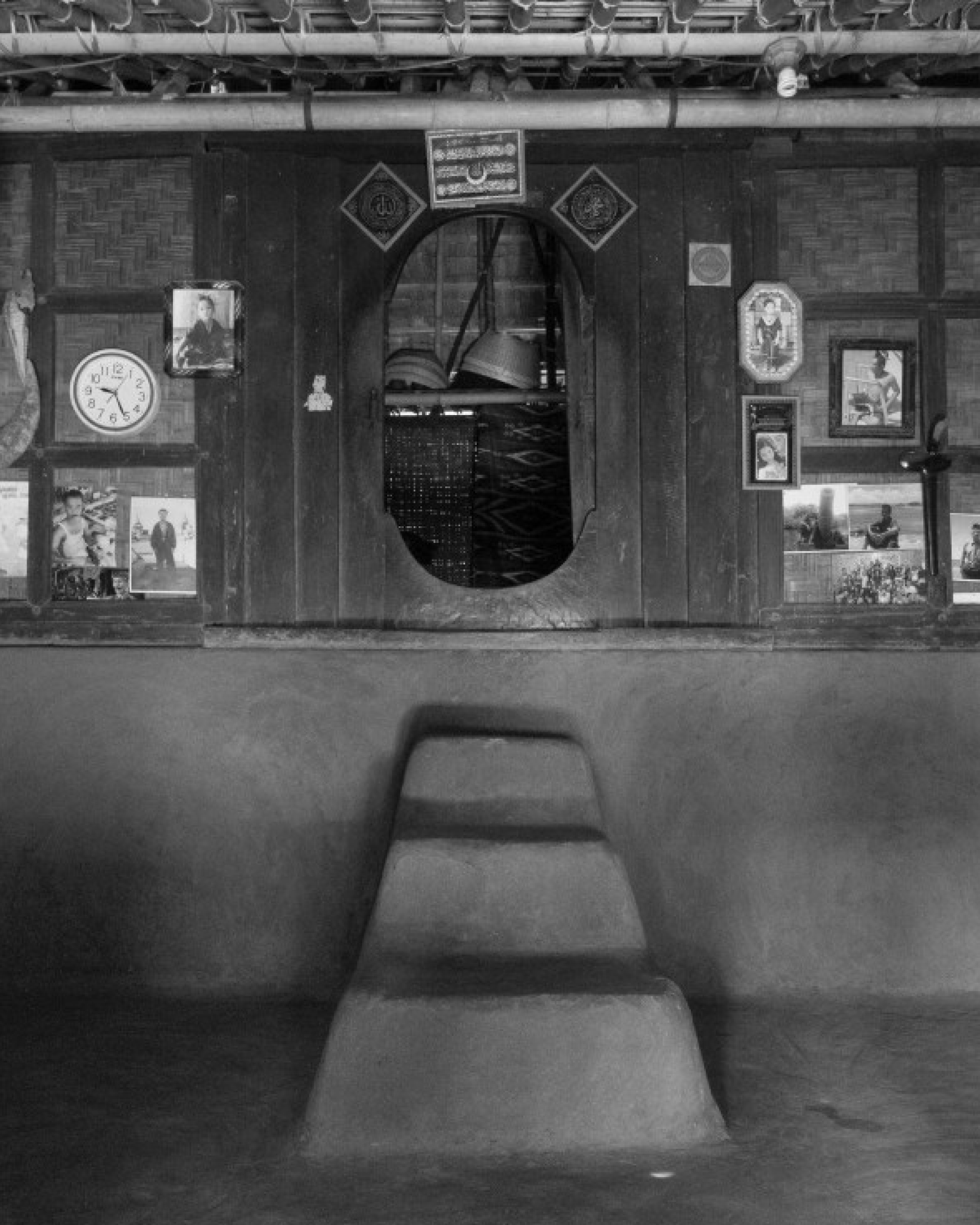
Once inside, the body adopts a sequence of further positions, each calibrated by an architectural fitting. The Western bath has, in its modern form, a single position: the body lies, faintly inclined, in the tub. The Indonesian bath, by contrast, deploys at least six positions, each with its own architectural specification.
Standing beside the bak mandi, the upright body holds the gayung in the right hand. Squatting—jongkok—heels-down, knees-bent, the position of the traditional Asian toilet and the courtyard. Sitting cross-legged—bersila—the position of prayer, of the meal taken on the floor, and of the gamelan musician. Kneeling and bowing under the spout, palms out, head wet. Lying in the Japanese suna-yu or on the Korean ondol-floor of the Jjimjilbang, the body at rest on warm stone. The prayer position, hands together at the chest, then raised to the forehead, then released. These represent six distinct frameworks in the traditional Greek sense, corresponding to Marcel Mauss’s 1934 anthropological concept of physical techniques.
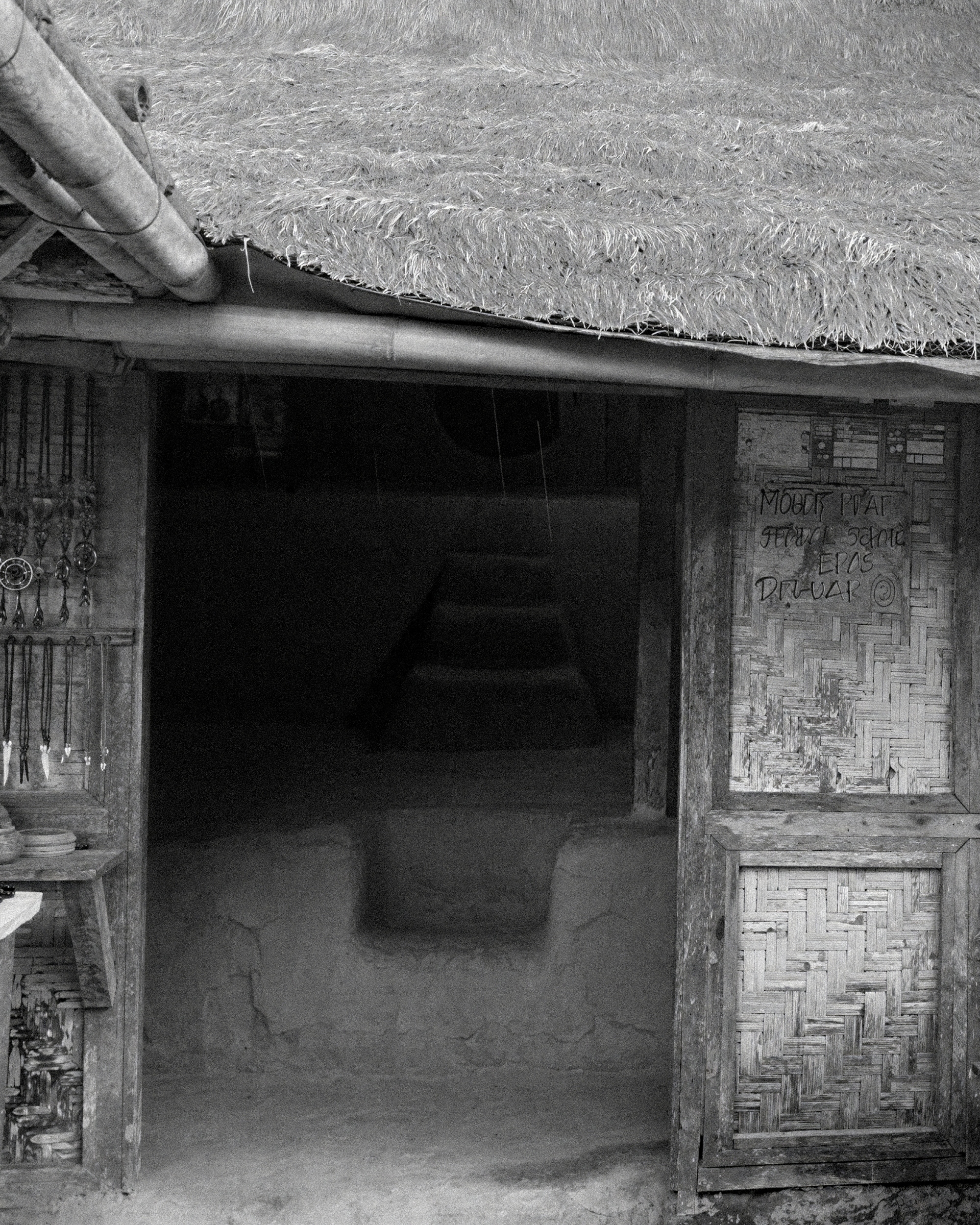
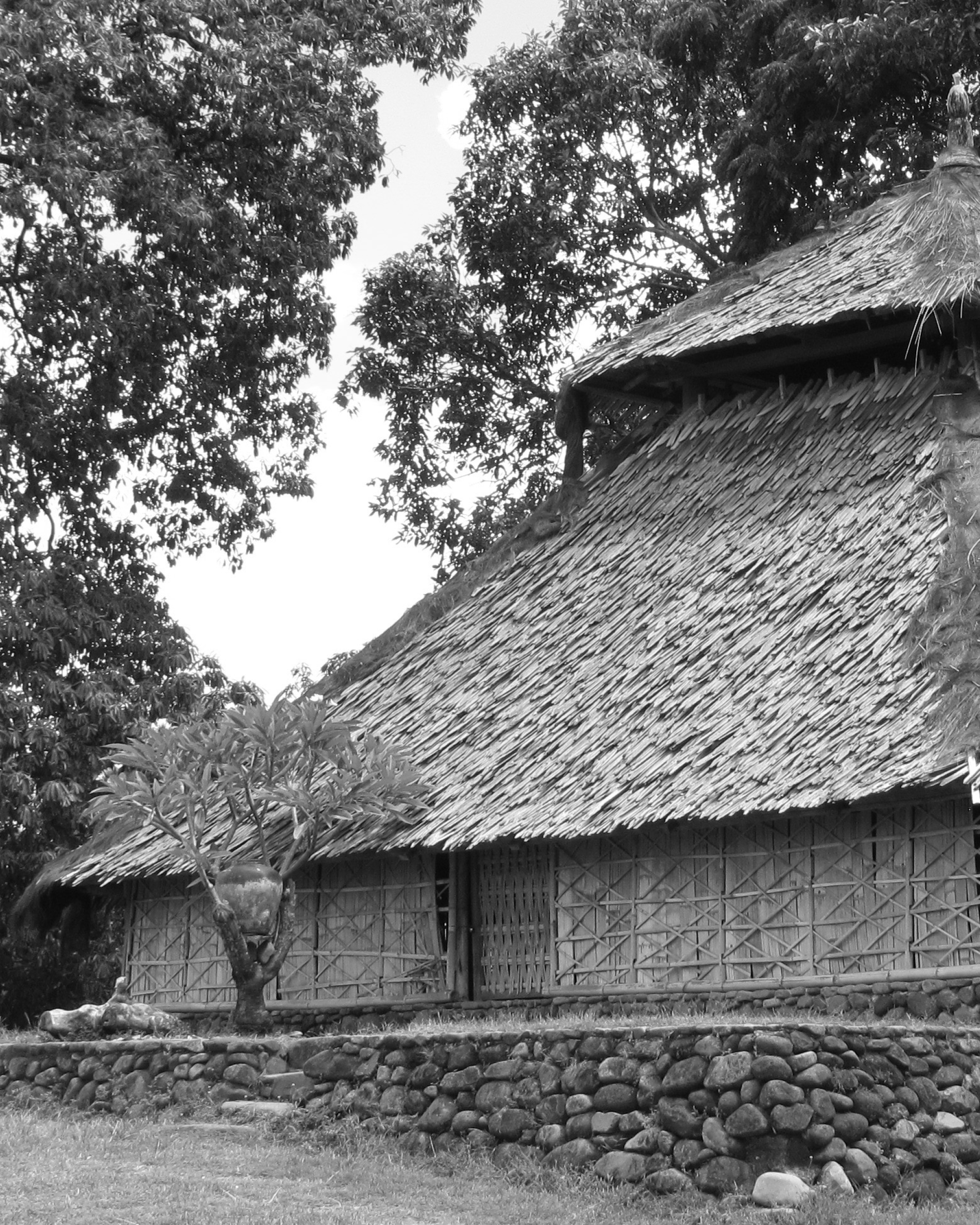
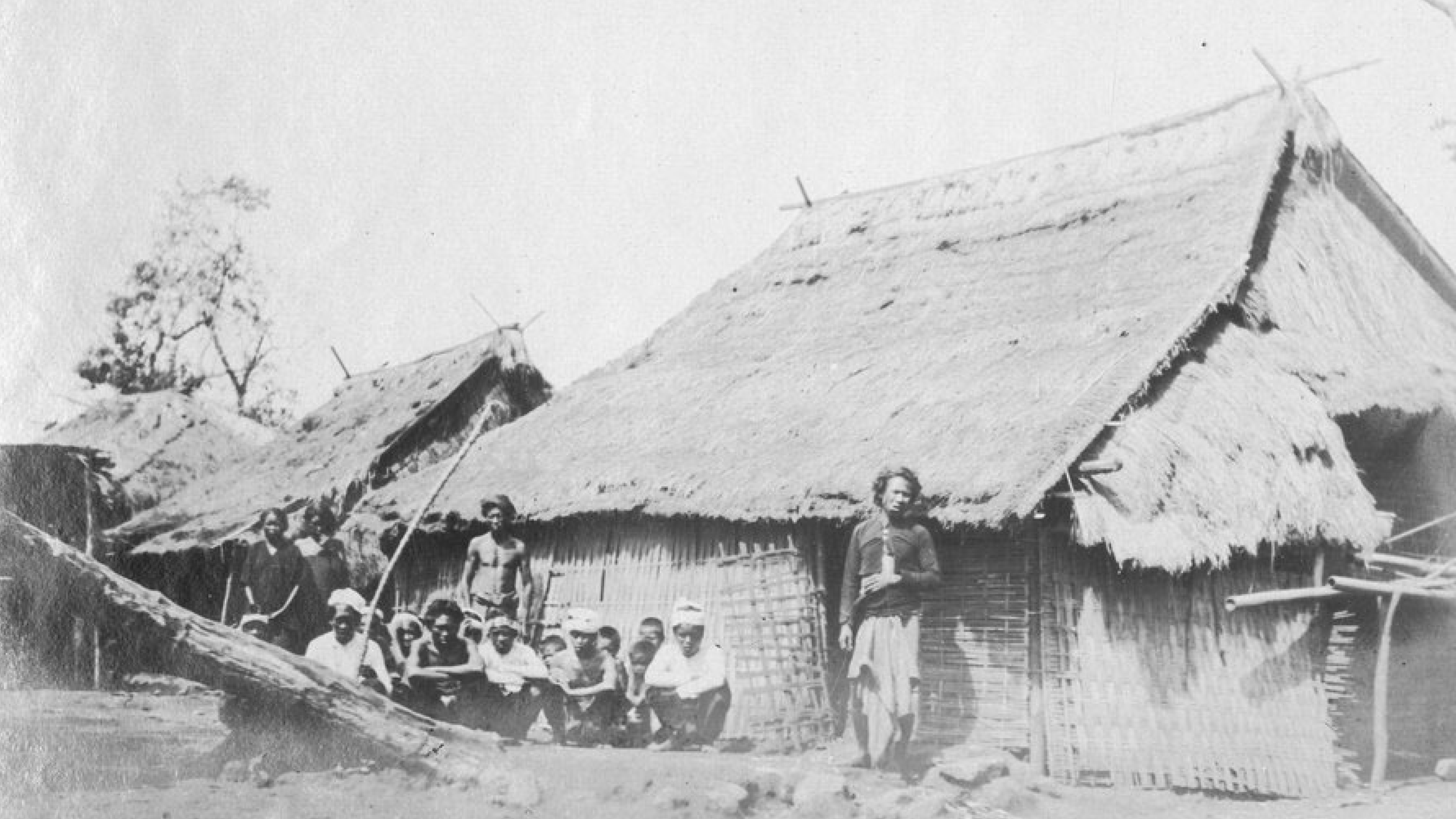
“Bowing informs the body that the room it is entering is not its own.”
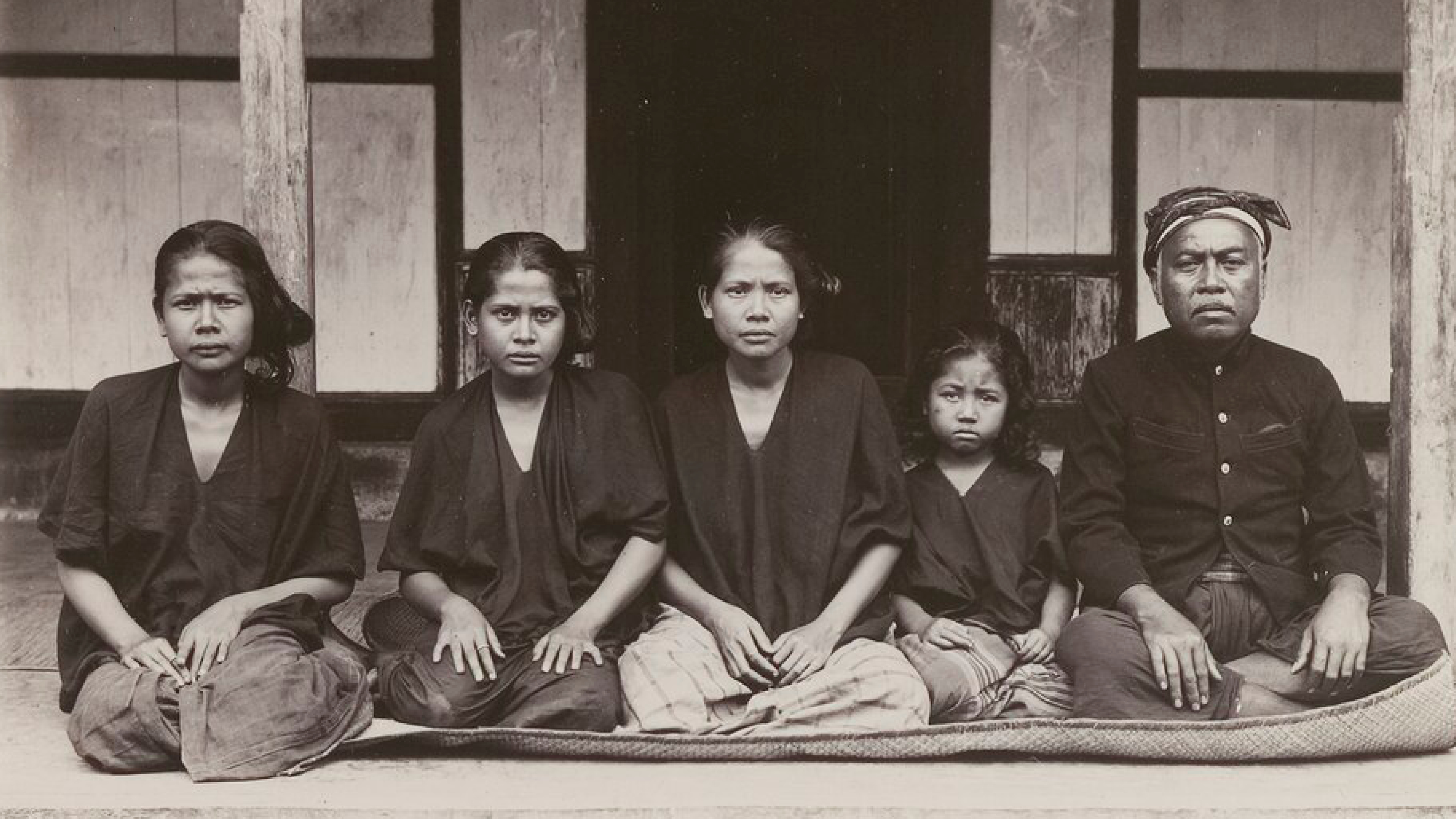
Each posture has an architectural correlate. The squat assumes a sloped floor and no bench. The cross-legged sit assumes a stone ledge and deep eaves above for shade. The kneeling bow assumes a spout at exactly the right height—a few millimeters too high, and the rite collapses into a shower. The lying body assumes a flat, polished, slightly warm surface at floor level, with no mattress, a roof, and cross-ventilation. The praying body, finally, assumes orientation—a corner, a cardinal direction, a relationship to the sun and the mountain. The architecture choreographs the body's choices, position by position. The bow at the lintel is therefore the first of a long sequence of architectural demands on the body, and arguably its most potent example.
Image credits, from top: Dutch National Archive (1-9)
